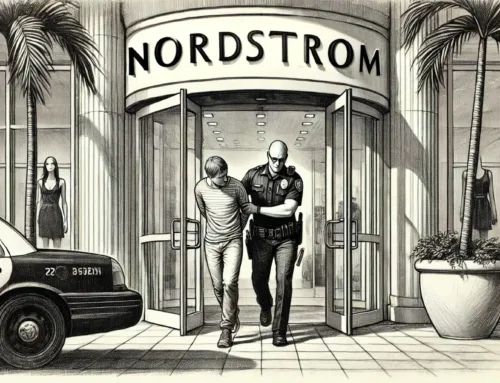




Avoiding Felony Retail Theft Charges in Miami, Florida
In Florida, shoplifting merchandise worth less than $750 is generally a misdemeanor, but prior theft convictions and other statutory provisions can make it a felony. Florida Statute 812.015 also creates felony offenses based on how retail theft occurs, repeated thefts, and other circumstances. Depending on the facts, a retail theft charge can be a third-, second-, or first-degree felony.
As your criminal defense law firm, we aim to fully explain the key elements of Florida’s anti-theft laws that can transform ordinary shoplifters into felons. Understanding the actions and values threshold that trigger heavy felony charges is critical for anyone facing potential retail theft allegations.
A single shoplifting incident can also support grand theft charges based on value alone. Under section 812.014, theft of merchandise worth $750 or more but less than $20,000 generally constitutes third-degree grand theft, even without a coordinated scheme or repeated thefts.
Overview of Florida Shoplifting Laws
Under Florida Statute 812.015, “retail theft” encompasses unlawfully taking or carrying away merchandise from any retail establishment with the intent to deprive the merchant. Retail theft allegations can also involve more complex conduct, such as return fraud, in which a person is accused of using false, altered, or improper returns to obtain money, store credit, or merchandise. Other common tactics include:
- Removing price labels or tags
- Transferring items from one container to another
- Disabling theft detection sensors or alarms
- Using countermeasures to defeat security systems
You can be arrested even if you don’t physically remove items from the premises. The key element is acting with criminal intent within a store, storage area, or protected display.
Antishoplifting Device Countermeasures
Under subsection (7), possessing, using, or attempting to use an antishoplifting or inventory-control countermeasure within premises used for retail sales is a third-degree felony. The item must be designed, manufactured, modified, or altered to defeat an antishoplifting or inventory-control device. Depending on their design or alteration, examples may include:
- Anti-tag removal kits
- Aluminum-lined bags
- Devices that jam retail theft sensors
- Items that detach security tags
This offense is separate from the theft itself; prosecutors must prove that the item and its possession or use meet the statute’s requirements.
Coordinated or Large-Scale Shoplifting
Under subsection (8), retail theft can be a third-degree felony in any of the following circumstances, unless a higher felony provision applies:
- Coordinated thefts totaling $750 or more: Coordinating one or more people’s activities in committing retail theft, with theft amounts combined over a 120-day period.
- Theft for resale totaling $750 or more: Conspiring with another person to steal for resale, then taking or causing the stolen property to be placed under another person’s control in exchange for money or other consideration. The statute combines qualifying amounts over 120 days.
- Thefts from multiple locations totaling $750 or more: Committing thefts at more than one location within 120 days, with the amounts combined.
- Distraction or coordinated efforts involving $750 or more: Working with at least one other person to distract store staff or police, or otherwise coordinate efforts to carry out the theft.
- Deceptive packaging involving $750 or more: Purchasing a package or box that contains merchandise different from, or in addition to, what the packaging claims to contain.
- Repeated thefts involving at least 10 items: Committing three or more retail thefts within 120 days involving at least 10 items in total, with at least two thefts occurring at different merchant locations. No minimum dollar value applies.
- Group theft intended to overwhelm the response: Acting with five or more other people to overwhelm store staff or police so the theft can occur or those involved can avoid detection or arrest. No minimum dollar value applies.
Enhanced Penalty Factors
A third-degree felony generally carries up to five years in prison. Under subsection (9), retail theft can become a second-degree felony, generally punishable by up to 15 years, when:
- The person violates subsection (8) and has a prior conviction under subsection (8) or (9).
- The person coordinates retail thefts involving more than $3,000 in property over 120 days.
- The person conspires to steal for resale and then transfers, or causes the transfer of, stolen property for consideration, with qualifying amounts exceeding $3,000 over 120 days.
- The person commits three or more retail thefts within 120 days involving at least 20 items in total, with at least two thefts occurring at different merchant locations. No minimum dollar value applies.
- The person acts with five or more other people to overwhelm store staff or police and, while organizing or committing the offense, recruits another participant through a social media platform.
Under subsection (11), a violation of subsection (8) or (9) becomes a first-degree felony if the person possesses a firearm during the offense or has two or more prior convictions under those subsections. The ordinary maximum sentence is 30 years in prison. Separate sentencing enhancements may increase these maximums.
Multi-Jurisdiction Shoplifting
Under subsection (10), when retail thefts occur in more than one judicial circuit within 120 days, the value of the stolen property may be combined. The statute requires prosecution by the Office of the Statewide Prosecutor in accordance with section 16.56. Crossing a county line alone does not establish that this provision applies, because one judicial circuit may include several counties.
Defending Against Felony Allegations
Given the severe penalties retail theft defendants face – especially with aggravating factors alleged – obtaining experienced legal representation is paramount. As your criminal defense law firm, we leverage an in-depth mastery of Florida’s shoplifting statutes to protect client interests.
If you face accusations of felony retail theft or using security defeat tools, immediate action is essential. We work aggressively to discredit prosecution evidence, expose investigative overreach, and keep charges at misdemeanor levels whenever possible. Our firm boasts extensive experience securing charge dismissals, plea bargains to lesser consequences, or trial verdicts of not guilty across all types of theft allegations.
Don’t leave your future to chance – contact us 24/7 for a free case consultation and defense analysis. Our aim is to keep every client out of jail, off probation, and moving forward with their livelihoods intact. We stand ready to leverage the full extent of legal procedures in your defense.
CALL US NOW for a CONFIDENTIAL INITIAL CONSULTATION at (305) 538-4545, or take a moment to fill out our confidential and secure intake form.* The additional details you provide will greatly assist us in responding to your inquiry.
*Due to the large number of people who contact our law office requesting our assistance, it is strongly suggested that you take the time to provide us with specific details regarding your case by filling out our confidential and secure intake form. The additional details you provide will greatly assist us in responding to your inquiry promptly and appropriately.
THERE ARE THOUSANDS OF LAW FIRMS AND ATTORNEYS IN SOUTH FLORIDA. ALWAYS INVESTIGATE A LAWYER’S QUALIFICATIONS AND EXPERIENCE BEFORE MAKING A DECISION ON HIRING A CRIMINAL DEFENSE ATTORNEY FOR YOUR MIAMI-DADE COUNTY CASE