



The Severe Consequences of a Federal Conviction
You are probably very concerned about the potential consequences if you have been charged with a federal crime. A federal conviction can result in devastating penalties that can change the entire course of your life. Given how high the stakes are when facing federal charges, it is clear that the consequences can be severe. This blog post will provide an overview of some of the most serious consequences of a federal conviction so you understand what could be at risk if found guilty.
Federal cases are different from state criminal cases in important ways, including how bond works, how discovery is handled, how sentencing guidelines apply, and how quickly the case moves through court. Understanding those differences is critical before making any decision in a federal case.
Long Prison Sentences
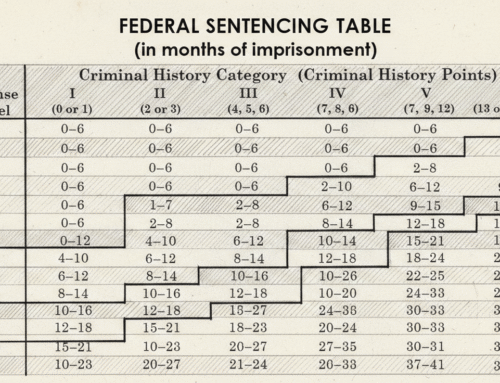
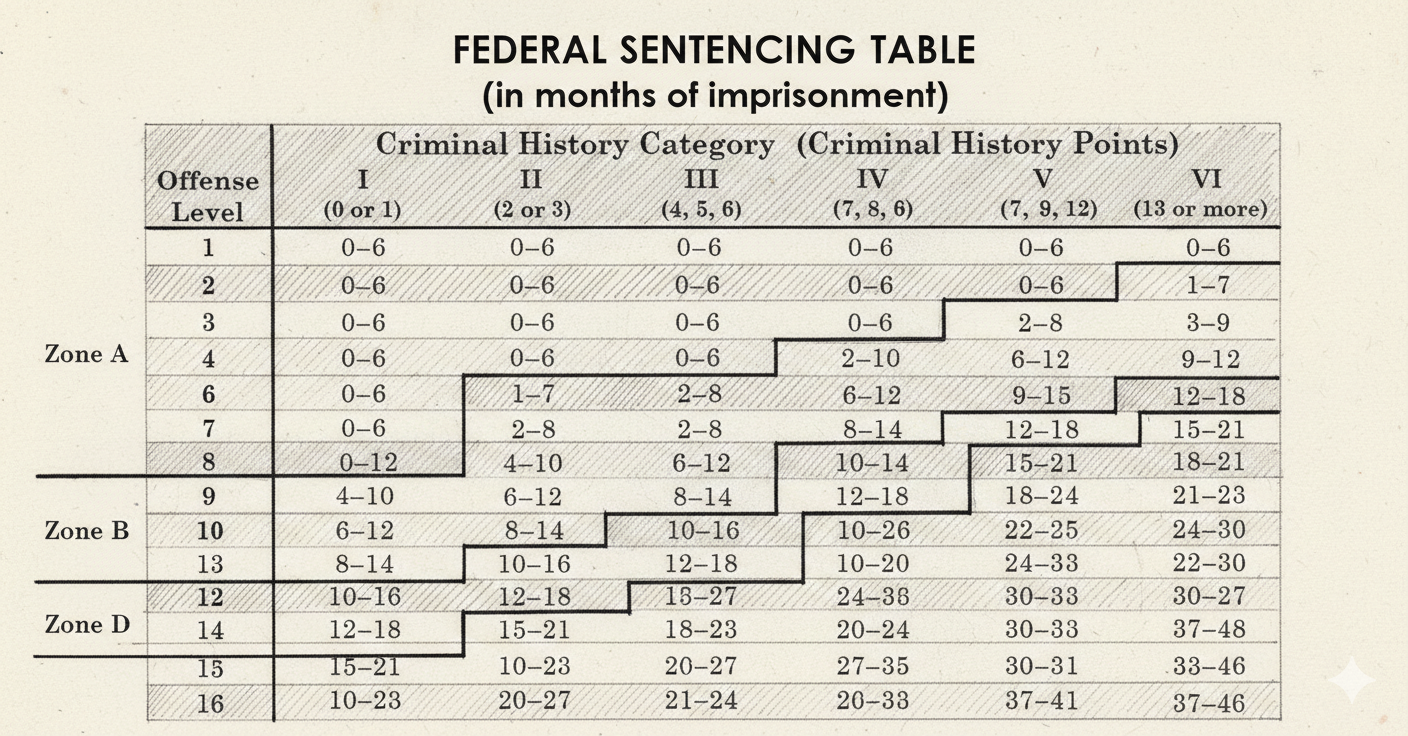
A federal conviction can lead to a lengthy prison sentence, but the sentence depends on the specific offense, the facts, and your criminal history. Judges must calculate and consider the advisory sentencing guidelines, along with the other sentencing factors required by federal law. They may impose a sentence above or below the guideline range when justified.
A sentence below the federal guideline range may be possible based on the circumstances of the offense and your personal history. A statutory mandatory minimum imposes a separate limit: the court needs a legally recognized exception to sentence below it.
Drug, fraud, firearm, and child-pornography offenses have different statutory penalties. The precise charge and any applicable enhancements determine the maximum sentence and whether a mandatory minimum applies.
Severe Financial Penalties
A federal conviction can result in fines and restitution as well as prison time. For an individual convicted of a felony, the general maximum fine is $250,000 per count, but some statutes authorize higher amounts. Federal law may also allow a fine based on twice the gross financial gain or loss caused by the offense.
Restitution is separate from a fine and compensates victims for losses covered by the applicable law. It is mandatory in many federal cases. The government can use liens, garnishment, and other lawful collection methods to enforce unpaid criminal monetary penalties, subject to applicable protections. Federal criminal fines and restitution generally cannot be discharged in bankruptcy.
Federal Supervised Release
A federal prison sentence may also include supervised release, a period of court-ordered supervision after imprisonment. Some offenses require it by law. The permitted length depends on the offense; certain drug and sex offenses allow terms longer than five years, including life. Supervised release begins after imprisonment and does not replace part of the prison term.
During your supervised release, you must comply with strict conditions to facilitate your transition into the community. These may include regular drug testing, travel restrictions, community service, maintaining employment, counseling, and more. Failure to comply could result in being sent back to prison.
Limitations of Future Opportunities
Beyond just the immediate punishments, a federal conviction will severely limit your opportunities moving forward in life. A felony record makes finding employment exponentially more difficult for you and prevents you from entering many professions. You may be unable to obtain professional licenses needed for certain jobs and careers.
A drug conviction no longer makes you ineligible for federal student aid by itself. Other eligibility rules still apply, including rules for people who are incarcerated. The U.S. Department of Education explains how criminal convictions affect federal student aid eligibility.
Public housing and other government benefits may also become unavailable to you with a federal conviction. Even volunteering opportunities, the ability to adopt children, or serve in the military could be taken away from you.
Loss of Core Rights and Privileges
One of the most severe consequences of a federal conviction is the potential loss of cherished rights and privileges most citizens take for granted. These include:
- Voting: A federal felony conviction can affect your right to vote under state law. In Florida, many people regain voting rights after completing all terms of their sentence, including qualifying financial obligations. Murder and felony sexual offenses fall under different restoration rules.
- Firearms: Federal law generally prohibits firearm and ammunition possession after a conviction for a crime punishable by more than one year in prison, subject to statutory exceptions. Completing your sentence does not itself remove the prohibition.
- Public office: Eligibility depends on the office and the governing law. Florida generally bars people with felony convictions from holding state or local public office until their civil rights are restored or the disqualification is removed. Restoration of voting rights alone does not restore eligibility to hold office.
- Federal jury service: A conviction for a crime punishable by more than one year in prison disqualifies you from federal jury service unless your civil rights have been restored.
Severe Immigration Consequences
If you are not a U.S. citizen, a federal conviction may lead to deportation, prevent you from returning after travel abroad, or affect your eligibility for citizenship. The result depends on the offense, the sentence, your immigration status, and other facts.
Some convictions create permanent barriers to naturalization; others affect whether you can establish good moral character during the required period. Before accepting a plea, have counsel assess the immigration consequences of a criminal conviction, including any effect on your ability to remain in the United States.
Collateral Consequences
Some consequences depend on incarceration as well as the conviction itself. Social Security retirement and disability payments are generally suspended after more than 30 continuous days of confinement following a criminal conviction. Payments may resume after release if you remain eligible. Supplemental Security Income has separate suspension and reinstatement rules.
Before resolving your case, ask counsel to identify which restrictions apply to your circumstances and what steps may be available to regain eligibility after your sentence.
Defending Your Future
If you are under investigation for a federal crime or have already been charged, you must take the situation seriously. The rest of your life may be at stake. An experienced federal criminal defense lawyer can advise you of all the potential consequences you may face and vigorously defend your rights.
An aggressive defense may be able to lead to your charges being reduced or dismissed or at least help minimize some of the most severe consequences for you. Avoiding a conviction altogether should be your ultimate goal.
With so much on the line, you need experienced legal counsel on your side. Understanding the federal criminal process, building the strongest possible defense for you, and trying to achieve the best possible outcome short of a conviction is imperative. If you are at risk, you must take action immediately to protect your rights and future.
CALL US NOW for a CONFIDENTIAL INITIAL CONSULTATION at (305) 538-4545, or take a moment to fill out our confidential and secure intake form.* The additional details you provide will greatly assist us in responding to your inquiry.
*Due to the large number of people who contact our law office requesting our assistance, it is strongly suggested that you take the time to provide us with specific details regarding your case by filling out our confidential and secure intake form. The additional details you provide will greatly assist us in responding to your inquiry promptly and appropriately.
THERE ARE THOUSANDS OF LAW FIRMS AND ATTORNEYS IN SOUTH FLORIDA. ALWAYS INVESTIGATE A LAWYER’S QUALIFICATIONS AND EXPERIENCE BEFORE MAKING A DECISION ON HIRING A CRIMINAL DEFENSE ATTORNEY FOR YOUR MIAMI-DADE COUNTY CASE