


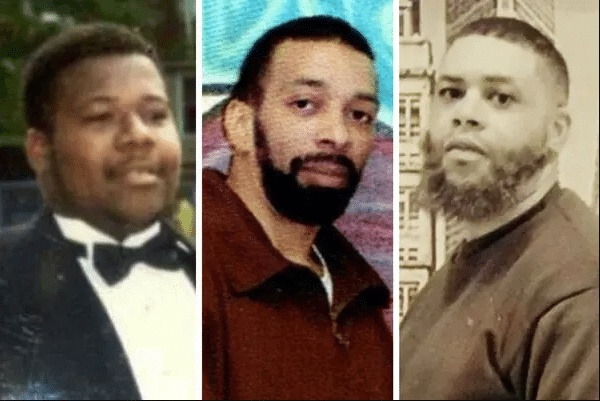
Wrongful Conviction of Morton Johnson
Morton Johnson’s case raises serious questions about false testimony, DNA evidence, and the risk of wrongful conviction. The Innocence Project’s 2023 account of his case explains why his lawyers contend that he was wrongly convicted of Henrietta Nickens’ murder.
Case update: On March 28, 2024, a Pennsylvania judge vacated the convictions of Morton Johnson, Sam Grasty, and Derrick Chappell and granted new trials. On July 22, 2026, the Pennsylvania Superior Court reversed that ruling. The Pennsylvania Innocence Project’s August 2026 update reported that their lawyers were seeking rehearing.
Mr. Johnson deserves justice and compensation for the decades of freedom stolen from him. This case exposes some of the worst flaws within our criminal justice system.
Similar Patterns in Wrongful Convictions
In my experience defending clients against dubious charges, Mr. Johnson’s case hits on multiple factors I see time and again in wrongful convictions – coercive and manipulative interrogation tactics, prosecutors grasping at straws to make their theory of guilt stick despite exculpatory evidence, and the unconscionable trial penalty defendants face for exercising their right to contest the charges at trial. As a lawyer who has seen firsthand how an overzealous prosecution can unfairly convict an innocent defendant, Mr. Johnson’s case angers me deeply.
The Crime and Investigation
In 1997, 70-year-old Henrietta Nickens was sexually assaulted and murdered in her Chester, PA home. With no leads, detectives focused their investigation on Morton Johnson’s cousin Sam Grasty simply because he once dated Ms. Nickens’ granddaughter. They also questioned Mr. Johnson and two other friends, despite no physical evidence linking them to the crime.
Coerced False Confession and DNA Exclusion
Detectives exploited 15-year-old Richard McElwee’s intellectual disability to coerce a false confession implicating himself and the others. The details didn’t match the actual facts of the crime, yet prosecutors used McElwee’s statement as their backbone of evidence. More egregiously, DNA testing conducted just months after the murder excluded all four men, including Mr. Johnson. But did this stop the prosecutors? Of course not. They dropped the sexual assault charges and pushed forward with their persecution.
Conviction Based on Unreliable Testimony
After juries convicted Sam Grasty and Derrick Chappell, Mr. Johnson waived a jury trial and chose to have a judge decide his case. McElwee’s testimony was central to the prosecution. Prosecutors also relied on a green jacket found at the scene that a detective claimed Mr. Johnson or Mr. Grasty had worn. Mr. Johnson maintained his innocence, but the judge convicted him.
The Trial Penalty Injustice
Most unconscionably, Mr. Johnson was offered a lenient plea deal of 6-12 years, but he refused to falsely admit guilt. After conviction, he was slammed with a life sentence without parole. This gap between a plea offer and the sentence imposed after conviction illustrates the pressure created by the trial penalty, which can lead even innocent defendants to consider pleading guilty.
DNA Evidence Supporting the Innocence Claim
Further DNA testing linked samples from the victim’s body, bedding, and a jacket found at the scene to an unidentified man. Johnson’s lawyers argue that these results support their claim that someone else committed the crime. The prosecution disputed that conclusion, and the courts have disagreed about whether the later testing warrants new trials.
A Quest for True Justice
Cases like Mr. Johnson’s are why I became a criminal defense lawyer. It disgusts me to see prosecutors and law enforcement trampling civil liberties and human dignity in their quest for another “win.” Coerced statements and prosecution theories that discount evidence pointing to innocence can lead to grave injustice. Mr. Johnson’s beautiful poetry written from prison shows that despite enduring unfathomable injustice, his spirit has not been broken.
His perseverance inspires me to keep fighting for true justice and accountability. I hope his long-awaited exoneration comes swiftly and that it brings some small comfort to the years of freedom stolen from him. No innocent person should suffer as Mr. Johnson has due to the egregious failures of our criminal justice system.