



Why Do People Shoplift?
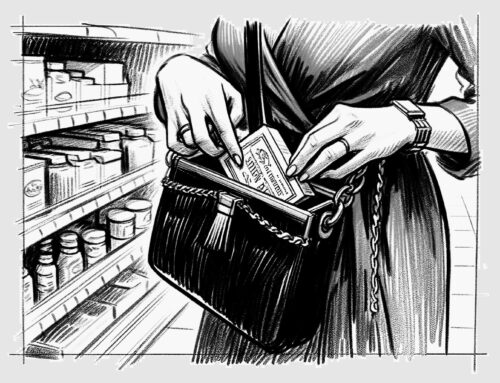
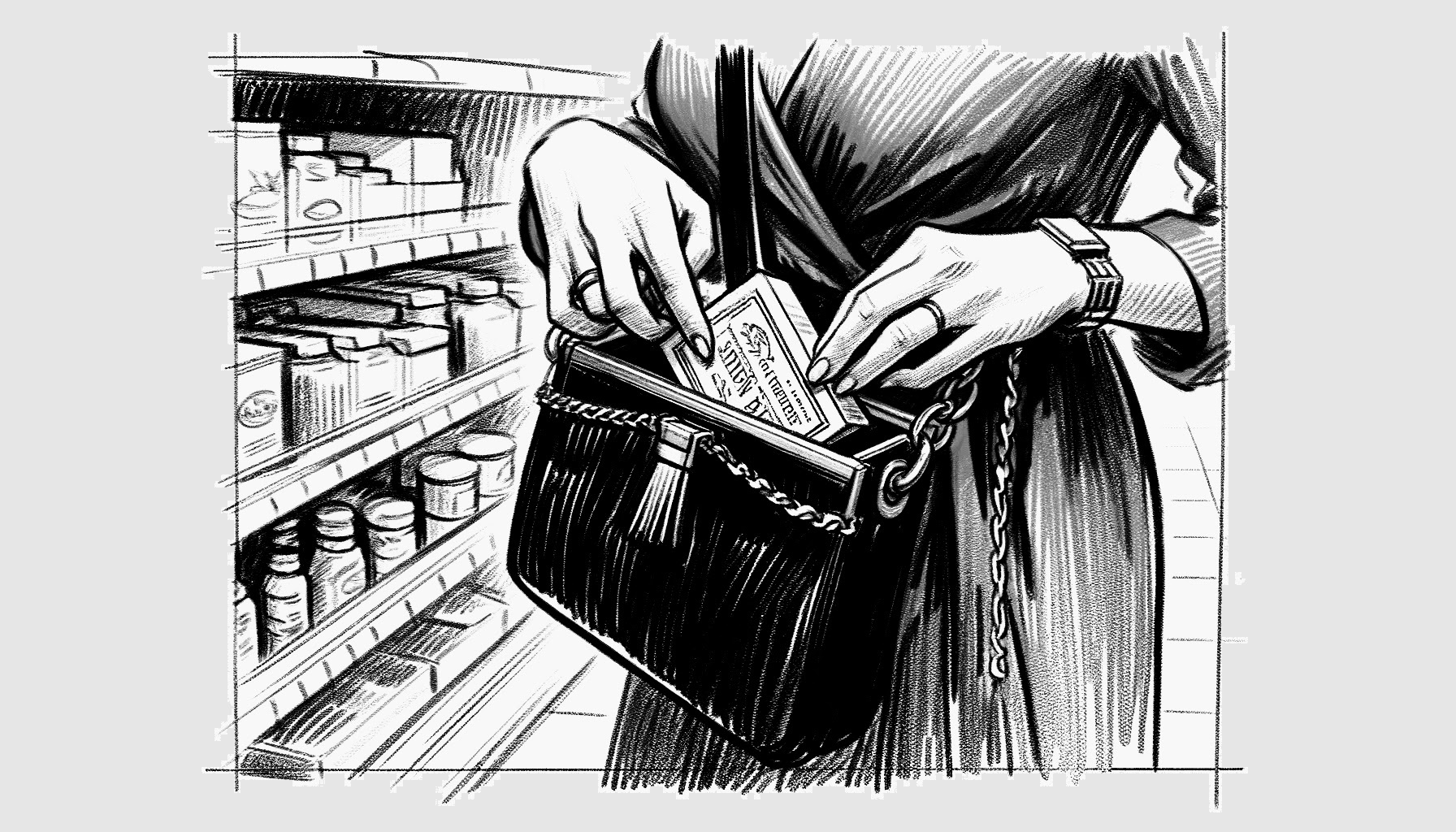
People shoplift for different reasons. Some struggle to afford what they need. Others act on impulse or seek excitement. A person’s reasons may be hard to explain, even to themselves. Our article on myths and misconceptions about shoplifting looks at common assumptions about who shoplifts and how it happens.
That’s not to say that sometimes people aren’t falsely accused of shoplifting or mistakenly identified. They are. And if that has happened to you, it’s extremely important for you to hire an experienced criminal defense attorney to defend you.
But what are the reasons some people commit this crime? Some of the most common reasons for shoplifting include the following:
- Financial Hardship: People struggling financially may shoplift to obtain necessities or luxuries they cannot afford.
- Addiction: People struggling with addiction may shoplift to support their habit.
- Impulse Control Disorders: Some people may have difficulty controlling their impulses, leading them to shoplift without considering the consequences.
- Trauma: People who have experienced trauma, such as abuse or neglect, may engage in shoplifting as a coping mechanism or as a way to gain a sense of control.
- Psychological Issues: Some individuals may suffer from mental health issues such as depression, anxiety, or bipolar disorder, which can contribute to shoplifting behavior.
- Thrill-seeking: Some people may shoplift as a form of rebellion or to experience the thrill of getting away with something.
Acting on impulse can still involve an intent to steal. An honest mistake, such as forgetting to scan an item, raises a different question: whether the State can prove the intent required for theft. Our article on absent-mindedness versus criminal intent in Florida shoplifting cases explains that distinction.
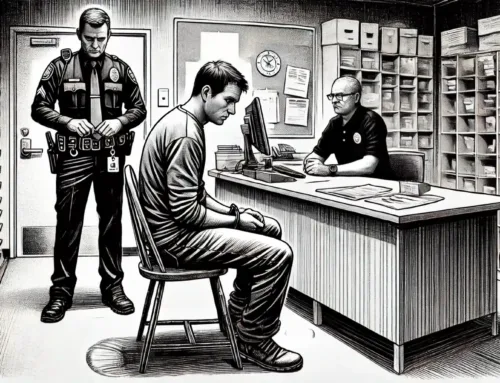
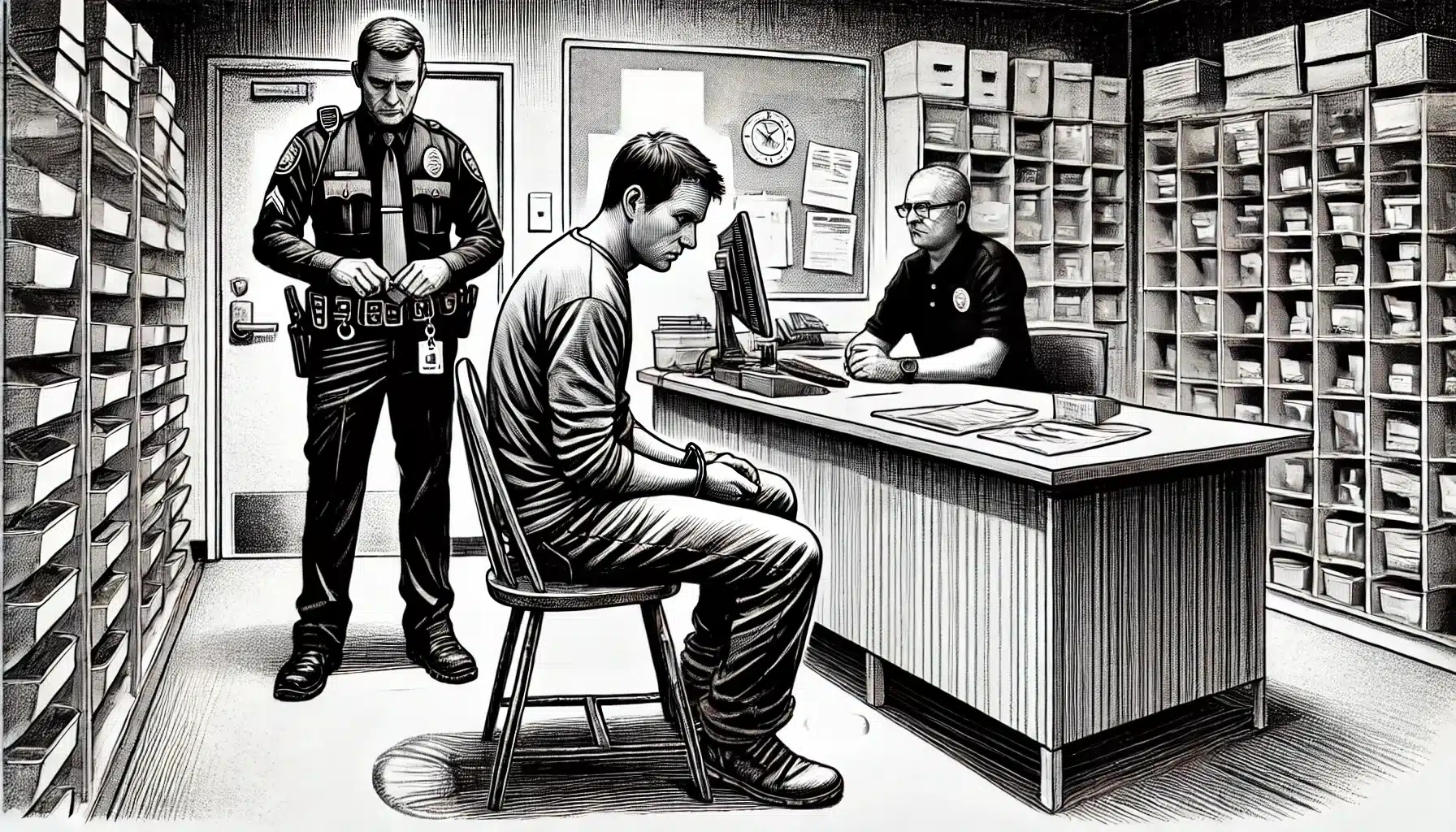
Shoplifters often can’t explain why they’re doing what they’re doing when they’re arrested. As strange as it seems, they may not even know why they shoplifted. It’s possible they were in emotional or psychological distress and weren’t entirely in control. In an earlier post, I described this kind of unexplained shoplifting behavior as a “the devil made me do it” moment, not as a legal excuse, but as a way of explaining how otherwise law-abiding people sometimes struggle to understand their own conduct. There’s also a chance the person doesn’t want to reveal the real reason for their behavior out of shame or fear.
Prior theft convictions can increase the penalties for a new shoplifting offense. Under Florida Statutes § 812.014(3), petit theft after a prior theft conviction is a first-degree misdemeanor; with two or more prior theft convictions, it is a third-degree felony. These provisions turn on prior convictions, not simply the number of arrests. A theft conviction can also create obstacles when applying for work or housing.
If you’ve got a shoplifting problem, it’s a serious matter. People with shoplifting problems should seek professional help, such as counseling or therapy, to address underlying issues contributing to their behavior. It’s also essential for you to work with a lawyer if you’re facing legal charges. You will benefit from the counsel of a criminal defense lawyer who can help you determine the most effective strategy to minimize your penalties.