



You’re Kidding, Right?
On September 15, 2011, the Supreme Court halted Duane Buck’s execution while it considered his petition for review. His case involved testimony linking his race to a greater risk of future violence. Let’s just take a moment to let that sink in…
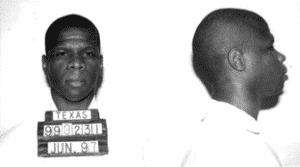
Buck’s own defense called psychologist Dr. Walter Quijano, who treated Buck’s race as a factor weighing toward future dangerousness, even though he concluded that Buck was unlikely to pose a future danger. The prosecutor questioned Quijano about the link between race and violence on cross-examination, then relied on his testimony in closing argument.
Now before you panic and think you’re having a “Back to the Future” moment where you’ve woken up in 19th century America, let me reassure you that in reality this did not happen in the United States. It happened in Texas.
In its response to the Defendant’s appeal to the Supreme Court, Texas takes the position that this insidious race-baiting testimony had no bearing on the jury’s decision to sentence the Defendant to death. And you know what? Maybe they’re right. But that’s really not the point, is it?
Update: On February 22, 2017, the Supreme Court held in Buck v. Davis that Buck received ineffective assistance of counsel when his lawyer introduced evidence linking his race to future violence. The Court reversed the Fifth Circuit’s judgment and sent the case back for further proceedings.
For a broader look at fair treatment in criminal proceedings, see your right to due process in criminal cases.
By: David Edelstein September 18, 2011.