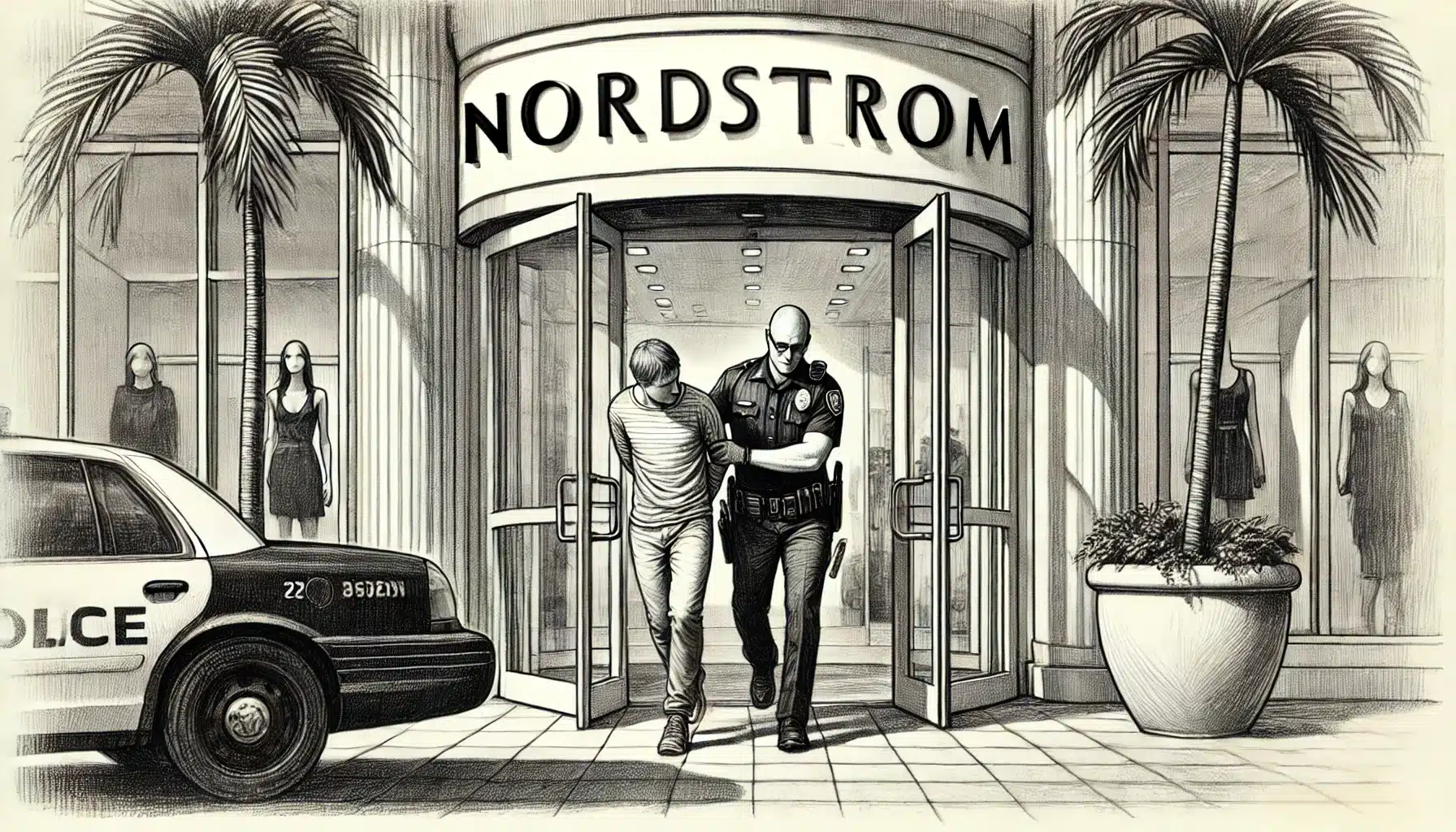




Falsely Accused of Shoplifting in Miami: What to Do
If you are falsely accused of shoplifting, stay calm, ask whether you are free to leave, and avoid arguing about the facts or signing a statement about the accusation before getting legal advice. Save your receipt and payment records. If police become involved, keep all paperwork and seek a criminal defense lawyer’s help promptly.
Why False Accusations Happen
Miami retail stores employ loss prevention officers to prevent theft and protect their assets. While their primary goal is to catch actual shoplifters, there are instances where they might misinterpret a situation or jump to conclusions. This can happen for several reasons:
- Human error: LPOs are not infallible and can make mistakes like anyone else. They may misidentify someone or misinterpret an individual’s actions as shoplifting.
- Pressure to perform: Miami retail establishments often set high expectations for their LPOs to reduce shoplifting losses. This pressure can lead to overzealous or hasty actions on the part of the LPO. A shopper can also be wrongly detained for shoplifting when loss prevention skips key steps, loses visual contact, or relies on assumptions instead of actual evidence.
- Bias or discrimination: In some cases, an LPO’s personal biases may lead them to falsely accuse someone of shoplifting based on their appearance or background.
What to Do if You’re Falsely Accused of Shoplifting in Miami
If you find yourself falsely accused of shoplifting in Miami when you haven’t stolen anything, it’s essential to remain calm and take the following steps:
- Stay composed: While feeling angry or upset is natural, it’s crucial to stay calm and not escalate the situation. Becoming confrontational or aggressive may worsen matters and lead to additional charges.
- Avoid debating the accusation: You can decline to discuss what happened with store employees. Do not guess, offer a detailed explanation under pressure, or assume that a conversation is off the record. Tell your lawyer your account and provide the records that support it.
- Preserve evidence: Keep your receipt, payment confirmation, and any messages from the store. Ask your lawyer promptly about preserving surveillance footage and checkout records. Store staff do not have to resolve the dispute by showing you their evidence on the spot.
- Read documents before signing: Seek legal advice before signing a store statement, confession, release, or payment agreement. A police notice to appear is a different document; read it carefully and follow its court instructions. Do not mistake advice about a store confession for advice to ignore police or court paperwork.
- Ask for help if needed: You may ask to contact a lawyer or someone you trust. Do not assume that speaking with a manager makes your statements private or prevents them from being used later.
- Ask whether you are free to leave: Calmly ask whether you are being detained. If you are told you are free to go, leave calmly. If store personnel say you are being detained, do not run or physically resist. Ask them to call the police and tell your attorney what happened.
- Document the incident: As soon as possible, write down everything that happened during the encounter, including the LPO’s name, any witnesses, and the exact sequence of events. This will help your Miami attorney build a strong defense if legal action is taken against you.
- Contact an attorney: If you’re arrested or charged with shoplifting, contact a criminal defense attorney in Miami as soon as possible. They will help you navigate the legal process and protect your rights.
Know Your Rights
Florida’s shopkeeper’s privilege gives stores limited authority to detain suspected shoplifters. Under section 812.015(3)(a), Florida Statutes, a merchant must have probable cause to believe retail theft occurred and that taking the person into custody can recover the property. The detention must be reasonable in manner and length, and police must be called immediately after custody begins. A separate provision permits a brief, reasonable inquiry when an antishoplifting alarm activates as a person exits the store or a protected area and the required notice is posted. Keep the following rights in mind:
- The right to remain silent: You are not legally obligated to answer questions or provide information to the LPO.
- The right to leave: You can leave the premises if you have not been legally detained or arrested. However, it’s crucial to clarify whether you are free to go before leaving.
- Search requests: You can tell store personnel that you do not consent to a search of your person or belongings. A loss prevention officer is generally a private employee, so the Fourth Amendment rules governing police searches do not automatically apply. Florida’s shopkeeper’s privilege permits certain detentions; it does not give store employees general police search powers. Do not physically resist a search. Tell your attorney what happened so the attorney can assess whether the employee acted unlawfully.
- Getting legal help: Contact an attorney promptly if you are detained or accused of shoplifting. If police take you into custody and question you about the alleged offense, clearly state that you wish to remain silent and want an attorney before answering questions. Ordinary questioning by private store employees does not automatically trigger the same Miranda protections, but you can decline to discuss the accusation with them.
If you want to discuss a possible civil claim against the store, our page on false arrest and detention after a shoplifting accusation explains the issues to review with a lawyer.
Get Help with a Shoplifting Accusation
If you have been charged, we can review the store’s account, seek relevant evidence, and discuss your defense. Provide the date and location of the incident, any police or court papers, and your next court date when you contact us.
CALL US NOW for a CONFIDENTIAL INITIAL CONSULTATION at (305) 538-4545, or take a moment to fill out our confidential and secure intake form.* The details you provide will help us respond to your inquiry.
*Due to the large number of people who contact our law office requesting our assistance, it is strongly suggested that you take the time to provide us with specific details regarding your case by filling out our confidential and secure intake form. The additional details you provide will greatly assist us in responding to your inquiry promptly and appropriately.
THERE ARE THOUSANDS OF LAW FIRMS AND ATTORNEYS IN SOUTH FLORIDA. ALWAYS INVESTIGATE A LAWYER’S QUALIFICATIONS AND EXPERIENCE BEFORE MAKING A DECISION ON HIRING A CRIMINAL DEFENSE ATTORNEY FOR YOUR MIAMI-DADE COUNTY CASE