



What is a Plea Bargain in Florida?
A plea bargain is an agreement between a defendant and a prosecutor in which the defendant agrees to plead guilty or no contest to a particular charge in exchange for some concession from the prosecutor. This concession can include reduced charges, dismissal of other charges, or a more lenient sentence. Plea bargaining is a common practice in the criminal justice system, and it can significantly impact the outcome of a case. In this article, we’ll explore the concept of plea bargaining, its benefits and drawbacks, and how it works in Miami, Florida.
What are the Elements of a Plea Bargain?
There are two primary types of plea bargains, and each involves different elements of negotiation and agreement between the defendant and the prosecutor. They are charge bargaining and sentence bargaining.
Charge Bargaining
Charge bargaining is the most common form of plea bargaining. In this type of agreement, the defendant agrees to plead guilty or no contest to a lesser charge in exchange for the dismissal or reduction of more serious charges. Key elements of charge bargaining include:
- Identification of the original charge(s) and the lesser charge(s) to which the defendant will plead.
- Agreement on the dismissal or reduction of the original charge(s).
- The defendant’s informed, voluntary agreement to enter the plea. A no-contest plea does not require an admission of guilt.
Sentence Bargaining
In sentence bargaining, the defendant agrees to plead guilty or no contest in exchange for agreed sentencing terms. The prosecutor may agree to a specific sentence or merely recommend one. A recommendation does not bind the judge. The defendant should understand which type of agreement is being offered.
The Benefits of Plea Bargains
Efficient Resolution of Cases
One of the main benefits of plea bargaining is that it helps to resolve cases more quickly and efficiently. With the large number of cases filed in Miami courts, this can be a critical factor in reducing the burden on the judicial system. By reaching a negotiated agreement, the prosecution and defense can save time, resources, and money.
Greater Certainty for Defendants
A plea bargain offers defendants the opportunity to have greater certainty about the outcome of their case. By negotiating a deal with the prosecutor, they can avoid the risks of going to trial, such as the possibility of receiving a more severe sentence if found guilty.
Opportunity for Leniency
Plea bargaining may lead to reduced charges or a lighter sentence. For first-time offenders, counsel should also check whether a diversion program could lead to dismissal before recommending a plea.
The Drawbacks of Plea Bargains
Potential Coercion
One of the concerns surrounding plea bargaining is the potential for coercion. Some defendants may feel pressured to accept a plea deal, even if they believe they are innocent, due to the fear of a more severe outcome if they go to trial.
Inadequate Legal Representation
A defendant may accept a poor plea deal if counsel has not fully reviewed the evidence or explained the available defenses. Careful preparation matters whether the lawyer is privately retained or appointed by the court.
Reduced Public Confidence
Some critics argue that plea bargaining can undermine public confidence in the criminal justice system. By allowing defendants to receive lighter sentences or reduced charges, plea bargaining may be seen as a way to circumvent the proper administration of justice.
The Plea Bargaining Process in Miami, Florida
The Role of the Prosecutor
In Miami, Florida, as in other jurisdictions, the prosecutor plays a key role in plea bargaining. They can decide whether to offer a plea deal and what terms to include in the agreement. Factors that may influence their decision include the strength of the evidence, the defendant’s criminal history, and the seriousness of the offense.
The Role of the Defense Attorney
As a criminal defense lawyer in Miami, I represent my client’s best interests in the plea bargaining process. This involves carefully reviewing the evidence, assessing the strengths and weaknesses of the case, and advising my client on whether to accept a plea deal or proceed to trial. I also negotiate with the prosecutor on my client’s behalf, seeking the most favorable terms.
The Court’s Involvement
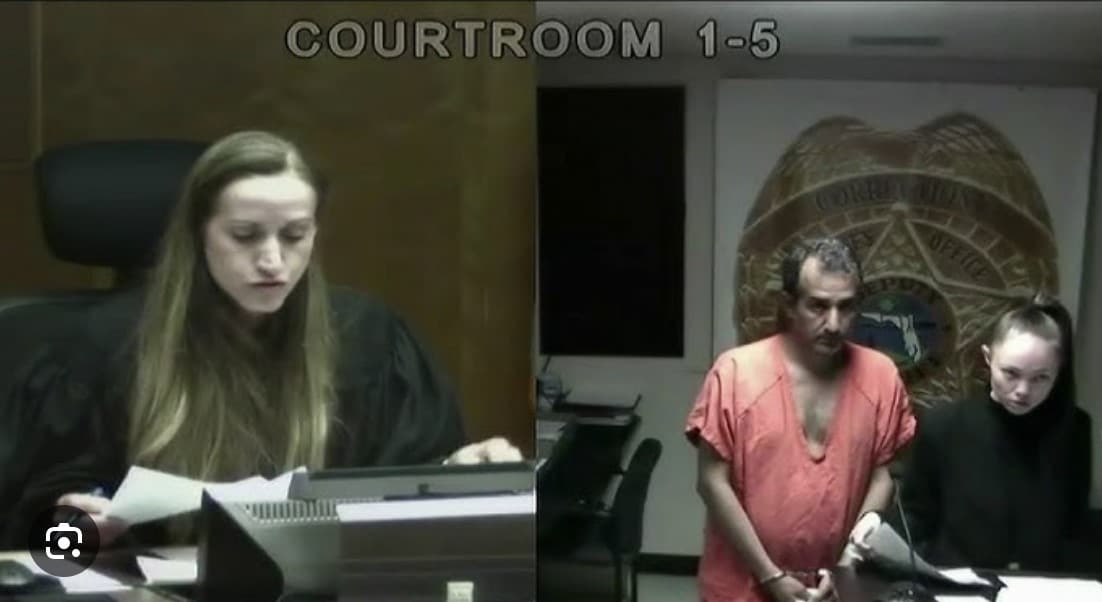
Under Florida Rules of Criminal Procedure 3.171 and 3.172, the judge must review the negotiated plea, confirm that it is voluntary, and establish a factual basis. If the judge rejects the negotiated disposition, the defendant may withdraw the plea.
Making an Informed Decision
Understanding the concept of plea bargaining is crucial for anyone facing criminal charges in Miami, Florida. While there are both benefits and drawbacks to consider, the ultimate decision on whether to accept a plea deal should be based on a thorough analysis of the case, the potential outcomes at trial, and the advice of an experienced criminal defense attorney.
Non-U.S. citizens should review the immigration consequences of a criminal plea before accepting an offer. A plea can affect immigration status even when adjudication is withheld.
If you or a loved one is facing criminal charges in Miami and considering a plea bargain, it’s essential to consult with a knowledgeable defense lawyer. CALL US for a FREE CONFIDENTIAL CONSULTATION at (305) 538-4545, or take a moment to fill out our secure intake form. *The additional information you provide will greatly assist us in responding to your inquiry.
*Due to the large number of people who contact our law office requesting our assistance, it is strongly suggested that you take the time to provide us with specific details regarding your case by filling out our confidential and secure intake form. The additional details you provide will greatly assist us in responding to your inquiry promptly and appropriately.
ALWAYS INVESTIGATE A CRIMINAL DEFENSE ATTORNEY’S QUALIFICATIONS AND EXPERIENCE BEFORE MAKING A DECISION ON HIRING A LAWYER FOR YOUR CRIMINAL CASE IN MIAMI-DADE COUNTY