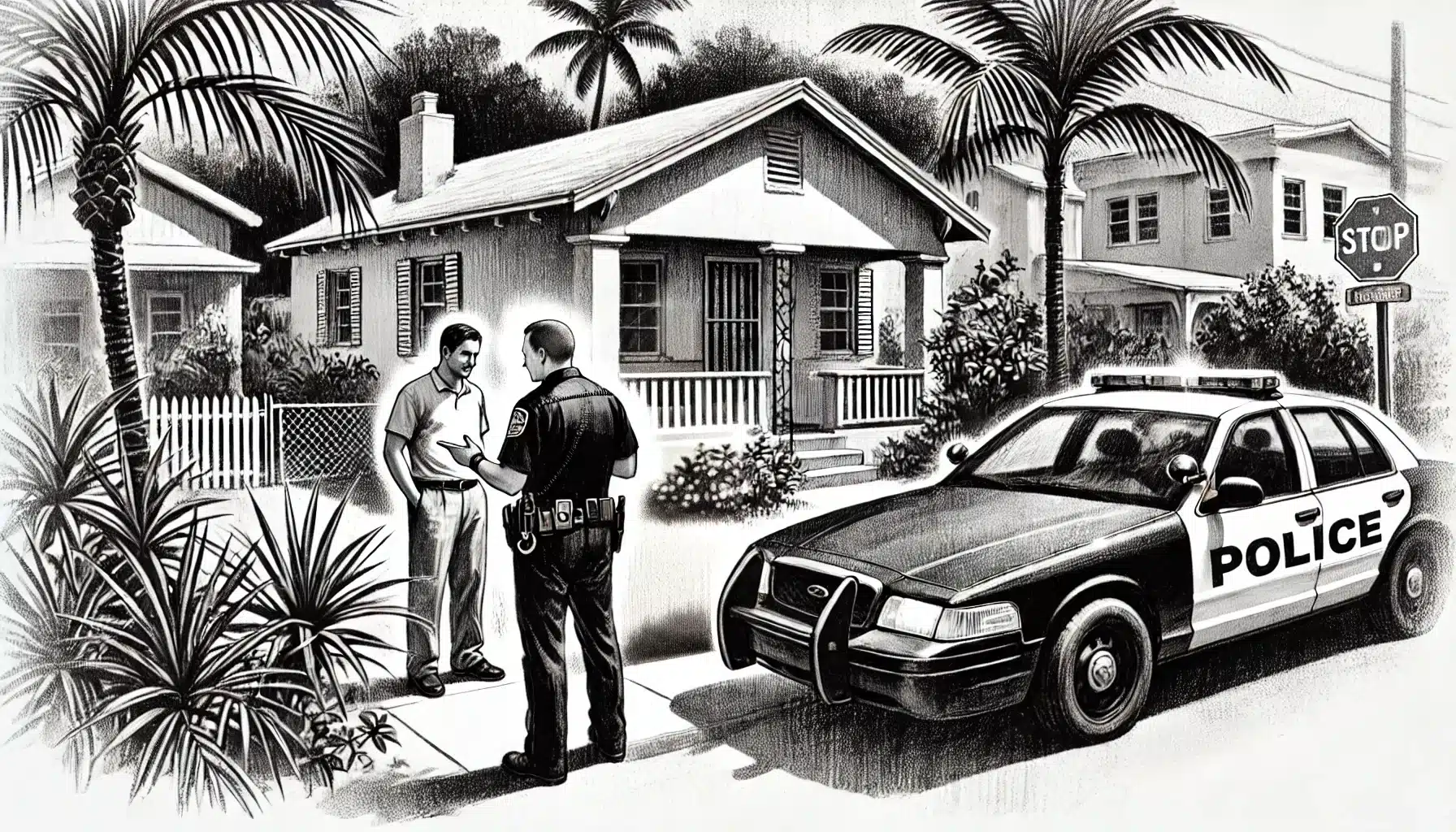




How a Domestic Violence Conviction Affects Your Job and Professional Future
When most people think about the consequences of a domestic violence conviction in Florida, they focus on jail time, fines, and probation. What catches many of our clients completely off guard is discovering that their conviction has quietly destroyed their career prospects. The courtroom drama ends, but the professional fallout is just beginning.
We’ve witnessed talented professionals lose their security clearances, licensed tradespeople forced to find new careers, and corporate employees terminated solely because of a misdemeanor conviction. The employment consequences of a domestic violence conviction reach far beyond what happens in the criminal justice system, and understanding these ramifications before you accept any plea deal could mean the difference between maintaining your livelihood and starting over from scratch. That’s why it’s so important to hire a competent and experienced attorney for domestic violence charges in Miami.
Immediate Employment Consequences: When Your Employer Finds Out
Florida is an at-will employment state, which means your employer can terminate you for nearly any reason that isn’t specifically prohibited by law. A domestic violence conviction isn’t a protected category. Most employment contracts and company policies include morality clauses or provisions allowing termination for criminal convictions, particularly those involving violence.
If you’re arrested for domestic violence, you may face suspension pending the outcome of your case, especially if your job requires a clean criminal record or if the alleged victim is a coworker. Once convicted, termination becomes significantly more likely. Some employers conduct periodic background checks on existing employees, which means even if you weren’t fired immediately after your arrest, you could face termination months or years later when your conviction appears on a routine screening.
Public sector employees face additional scrutiny. Government positions, law enforcement roles, and jobs with state agencies often have policies that commonly disqualify individuals with such convictions, depending on the employee’s role and agency regulations. These positions typically involve heightened background check standards and stricter conduct requirements.
Professional Licenses: When Your Credentials Become Worthless
Florida’s licensing boards take domestic violence convictions seriously, and many professional licenses are at risk following a conviction. The Florida Department of Business and Professional Regulation oversees dozens of professions, and a domestic violence conviction can trigger disciplinary proceedings against your license.
Healthcare professionals—including nurses, physicians, pharmacists, and mental health counselors—face close scrutiny. The Florida Board of Nursing considers crimes of violence as grounds for discipline, which can include license suspension or revocation. Hospitals and healthcare facilities maintain strict policies for employees with violence-related convictions, making employment difficult even if you retain your license.
Real estate agents, contractors, security guards, and other licensed professionals face similar risks. The Florida Department of Agriculture and Consumer Services (FDACS) disqualifies concealed weapon licenses for domestic violence convictions and may suspend or deny private security licenses, particularly where the offense involves violence or firearm restrictions.
Teachers and educators also face major consequences. Florida Statute §435.04 and §741.28 make individuals convicted of domestic violence ineligible for educator certification or student-contact positions. This includes public and private schools, daycares, and youth programs.
Attorneys can face discipline by The Florida Bar for domestic violence convictions, ranging from reprimands and suspensions to disbarment in severe or felony cases. Even misdemeanor domestic battery can trigger disciplinary review for conduct reflecting adversely on fitness to practice law.
Background Checks: The Permanent Barrier to New Employment
Modern background checks are thorough and easily accessible. A domestic violence conviction will appear on standard criminal background checks indefinitely. Federal law imposes no time limit on reporting convictions, and Florida does not restrict the extent to which employers can look into an individual’s past. Florida’s record-sealing and expungement statutes—§943.0584—specifically exclude domestic violence convictions, meaning they remain public permanently.
Most applications ask whether you’ve been convicted of a crime. Lying constitutes fraud and provides grounds for immediate termination if discovered later. Answering honestly about your domestic violence conviction means many applications never advance past the initial screening. Human resources departments often use automated systems that flag applicants with criminal convictions, and your résumé might never reach an actual hiring manager.
The “ban the box” movement—which delays criminal history questions until later in the hiring process—offers little help in Florida. The state has no statewide “ban-the-box” law for private employers, though a few local governments have adopted it for public hiring. Even when the question comes later, employers can still reject your application based on the conviction.
Certain industries conduct more intensive background checks than others. Financial services, healthcare, education, government, and positions involving vulnerable populations all require enhanced screening. These fields become largely inaccessible following a domestic violence conviction.
Federal Employment and Security Clearances: Doors That Slam Shut
Federal employment becomes extremely difficult after a domestic violence conviction—especially for positions requiring firearms, security clearances, or public trust.
The Lautenberg Amendment, a federal law, permanently prohibits anyone convicted of a misdemeanor crime of domestic violence from possessing firearms or ammunition. This ban includes law enforcement and military personnel, which means a domestic violence conviction can have a devastating impact on a law enforcement or military career.
Security clearances are also jeopardized. Federal adjudicative guidelines, known as Security Executive Agent Directive 4 (SEAD-4), consider criminal conduct, personal conduct, and judgment, and a domestic violence conviction raises concerns in all three categories. Contractors working for the Department of Defense, intelligence agencies, and other employers requiring clearance risk losing their positions.
Military service members face both criminal prosecution and administrative separation after a domestic violence conviction. The military generally considers such convictions incompatible with continued service.
The Stigma Factor: When Potential Isn’t Enough
Beyond legal and procedural barriers, domestic violence convictions carry a significant social stigma that affects employment prospects. The same stigma can also affect a person’s private life, including how domestic violence accusations can affect dating. Employers comparing equally qualified candidates will nearly always choose the applicant without a conviction for violence-related offenses. The nature of domestic violence—viewed as particularly troubling—creates concern about workplace safety and company reputation.
Networking becomes more difficult when your conviction is public record. Professional references may be cautious or unavailable if you were terminated due to your conviction. Online profiles cannot erase court records, and hiring managers often conduct independent searches.
Entrepreneurship and Self-Employment: Limited but Not Eliminated Options
Some individuals with domestic violence convictions turn to self-employment or entrepreneurship to avoid traditional employment barriers. This route provides autonomy but has its own challenges. Certain business licenses require background checks or bonding, and a conviction can make approval difficult. Access to capital may also be limited, as lenders often view criminal records as risk factors.
If your business requires firearms, security work, or professional licensing, your conviction may prevent you from operating legally.
Protecting Your Career Before Conviction: Why Legal Representation Matters
The employment consequences outlined above show why fighting domestic violence charges early can protect more than your freedom—it can safeguard your livelihood. Accepting a plea deal without understanding its professional impact can cost you hundreds of thousands of dollars in lost income.
We evaluate every case for opportunities to avoid conviction entirely. Pre-trial diversion programs, deferred prosecution agreements, and other alternative resolutions can keep convictions off your record.
Florida law offers record-sealing or expungement only for non-conviction outcomes, and domestic violence convictions are ineligible under §943.0584. Avoiding conviction is the only way to preserve your professional future.
The Bottom Line: Your Career Deserves a Defense
Your job, license, and career trajectory hang in the balance when you face domestic violence charges in Florida. Prosecutors and judges focus on criminal penalties—not the lifelong professional consequences that follow conviction.
We represent clients facing domestic violence charges throughout Miami-Dade County and understand exactly what’s at stake. Our approach combines aggressive criminal defense with a realistic assessment of how each case outcome affects your specific profession and goals.
If you’re facing domestic violence charges in Miami and worried about how a conviction could impact your employment, don’t wait to seek legal counsel. The decisions you make early in your case will determine whether you protect your career or face years of professional barriers.
CALL US NOW for a CONFIDENTIAL INITIAL CONSULTATION at (305) 538-4545, or take a moment to fill out our confidential and secure intake form.* The additional details you provide will greatly assist us in responding to your inquiry.
*Due to the large number of inquiries we receive, providing specific details about your case helps us respond promptly and appropriately.
THERE ARE THOUSANDS OF LAW FIRMS AND ATTORNEYS IN SOUTH FLORIDA. ALWAYS INVESTIGATE A LAWYER’S QUALIFICATIONS AND EXPERIENCE BEFORE MAKING A DECISION ON HIRING A CRIMINAL DEFENSE ATTORNEY FOR YOUR MIAMI-DADE COUNTY CASE.