


New Federal Sentencing Guidelines: What Amendment 821 Means for Your Case in Miami
If you or a loved one are facing federal charges in Miami—or are already serving a federal sentence—the rules of the game have recently changed. The United States Sentencing Commission implemented Amendment 821 to the Federal Sentencing Guidelines effective November 1, 2023. These updates aren’t just technical—they can meaningfully reduce time in federal prison. But the benefits aren’t automatic. You need to know whether you qualify and how to request relief properly.
The “Zero-Point Offender” Adjustment
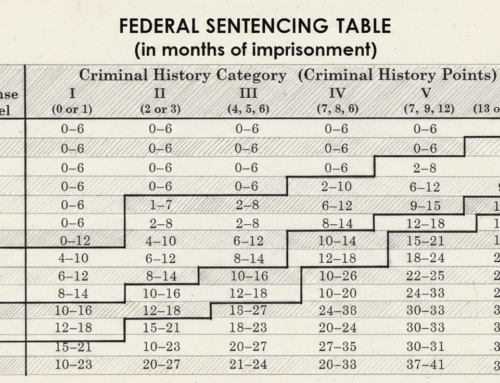
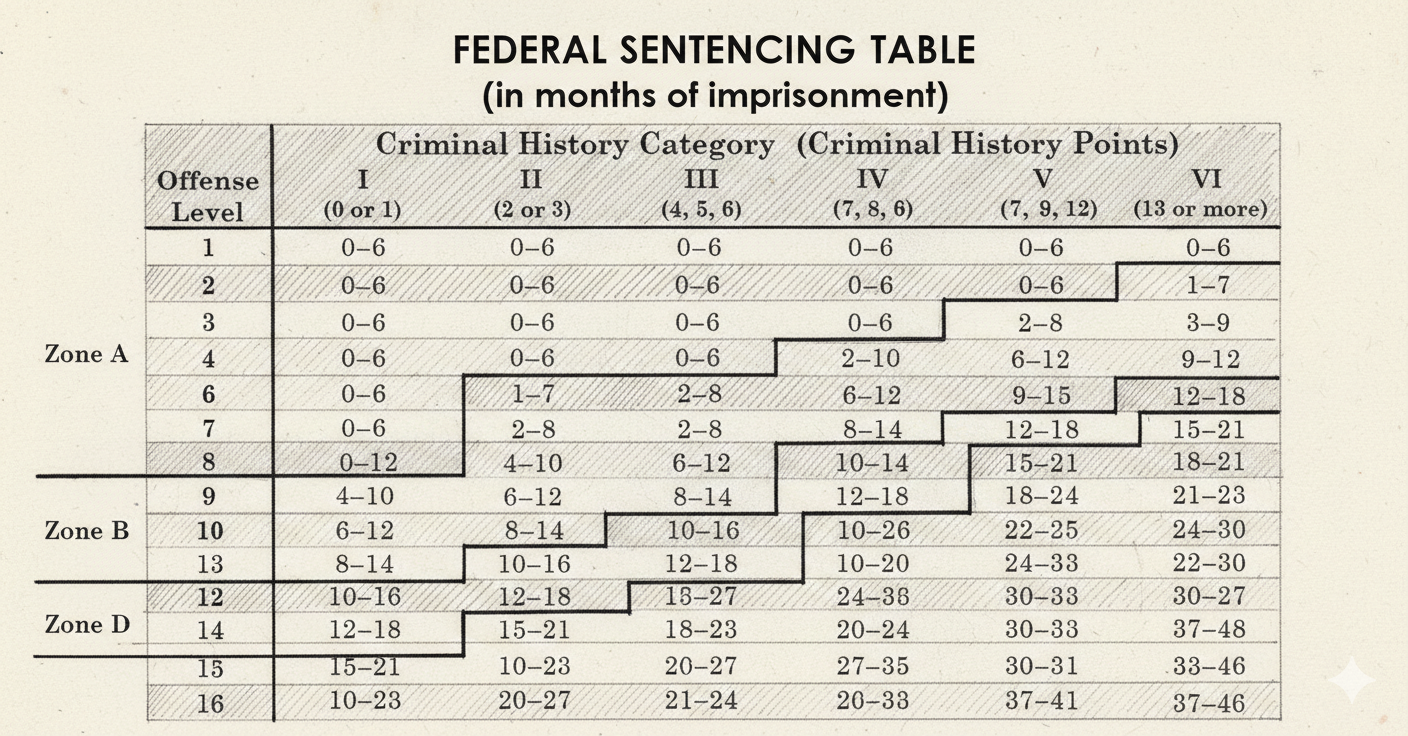
Amendment 821 introduces a two-level reduction for certain first-time defendants with zero criminal-history points. Guideline ranges are driven by offense level and criminal history category. If you have zero points and satisfy every criterion in §4C1.1, you may qualify for a two-level decrease that can shave months (or more) off a sentence.
General eligibility highlights include: no prior criminal-history points; no violence or credible threats; no death or serious bodily injury; not a sex offense; no firearm or dangerous weapon possession in connection with the offense; you didn’t personally cause substantial financial hardship; and you weren’t an organizer, leader, or supervisor.
This is especially important for first-time, non-violent defendants. Note that many white-collar cases may be excluded if conduct caused substantial financial hardship to victims.
Changes to “Status Points”
Previously, committing an offense while under a criminal justice sentence (probation, parole, supervised release) automatically added “status points,” inflating criminal-history category and guideline range. Under revised §4A1.1(e): defendants with six or fewer criminal-history points receive no status points; defendants with seven or more receive one (down from two). This helps prevent disproportionate punishment for offenses committed while under supervision.
Is It Retroactive?
Yes. Part A (status-point changes) and Part B, Subpart 1 (zero-point reduction) are retroactive. Courts could not make reductions effective before February 1, 2024. People already serving time—e.g., at FCI Miami, FDC Miami, or FCC Coleman—may be eligible for reductions if they would have received a lower sentence under the new rules.
Retroactivity isn’t automatic. Relief typically requires a motion under 18 U.S.C. § 3582(c)(2). Judges consider public safety, your conduct while incarcerated, and other § 3553(a) factors, and retain discretion to deny relief even if you’re technically eligible.
Why You Need a Miami Federal Defense Lawyer
Federal prosecutors in Miami are aggressive. Even if you meet the technical criteria for a reduction, the government may oppose or argue your circumstances don’t warrant relief. Whether you’re under investigation, awaiting sentencing, or already serving a sentence that might qualify for a reduction, skilled counsel can evaluate your Presentence Investigation Report (PSR), your conduct, and the new framework to press for the lowest lawful sentence.
Next Steps
If you have questions about Amendment 821, the Zero-Point Offender adjustment, or how the new rules may affect your case in Miami, contact us. We can quickly assess whether you—or a loved one—might qualify for relief and outline the motion process and supporting evidence.
CALL US NOW for a CONFIDENTIAL INITIAL CONSULTATION at (305) 538-4545, or take a moment to fill out our confidential and secure intake form.* The additional details you provide will greatly assist us in responding to your inquiry.
*Due to the large number of inquiries we receive, providing specific details about your case helps us respond promptly and appropriately.
THERE ARE THOUSANDS OF LAW FIRMS AND ATTORNEYS IN SOUTH FLORIDA. ALWAYS INVESTIGATE A LAWYER’S QUALIFICATIONS AND EXPERIENCE BEFORE MAKING A DECISION ON HIRING A CRIMINAL DEFENSE ATTORNEY FOR YOUR MIAMI-DADE COUNTY CASE.