


The Impact of Electronic Evidence on Criminal Defense
Technology has dramatically changed how criminal cases are investigated and defended in recent years. One of the most significant changes brought on by electronic evidence is the amount of data now available to law enforcement and defendants. In the past, evidence was limited to physical items that could be collected at the crime scene or through witness statements. Today, however, electronic devices like smartphones, laptops, and even smart home devices can provide vast amounts of data that can be used as evidence in court by both the prosecution and defense. This includes everything from text messages, videos, call logs, cell tower location data, GPS data, and social media posts. Electronic evidence has become a crucial component in the legal process, requiring criminal defense attorneys to stay up-to-date on the latest developments in digital forensics.
The Rise of Video Evidence in Criminal Cases
The widespread use of surveillance cameras and smartphones, along with the adoption of bodyworn cameras by police departments, has made video evidence available in most criminal cases. Video footage can provide a wealth of information and evidence that can be used in court, and it has become a key aspect in many criminal investigations. For example, surveillance camera footage can provide an unbiased account of events and can be used to establish the presence of a suspect at a crime scene or to refute an alibi. Similarly, smartphone videos and bodyworn camera footage can capture events as they unfold, providing invaluable evidence to either support or conflict with the prosecution’s case.
Video evidence can raise questions about authenticity, missing context, and editing. Under Florida’s authentication requirement, the party offering the footage must present enough evidence to support a finding that it is what that party claims. Defense counsel can challenge the prosecution’s foundation and examine whether the recording is complete, accurately dated, or altered. When the defense offers its own footage, it must also meet the authentication requirement.
The Growing Importance of Email, Social Media, and Messaging Apps
Electronic communications, such as emails, social media interactions, and messages exchanged via various apps, are increasingly becoming critical sources of evidence in criminal cases. They can provide an abundance of information about an individual’s activities, relationships, and communications, and they are often used by law enforcement to build a case or to establish a motive. For example, email communications can provide evidence of criminal activity or intent, such as emails discussing illegal drug transactions or plans to commit fraud. Social media and messaging apps can also provide similar evidence and information about an individual’s relationships, movements, and activities. Defense attorneys must navigate concerns surrounding the reliability and veracity of these communications to present and challenge this evidence in court effectively.
Mobile Phone Location Data
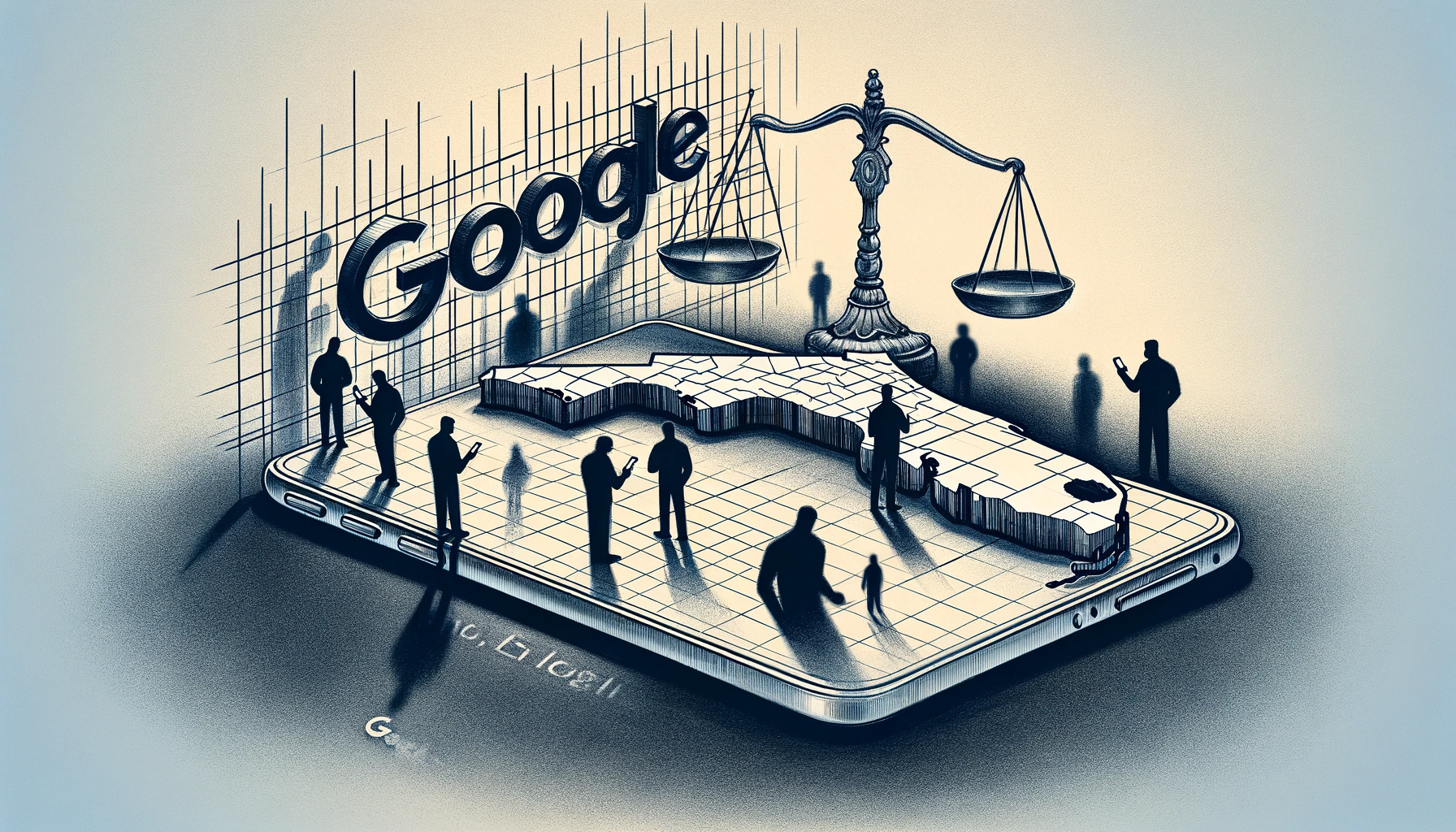
Mobile phone location evidence can include GPS data and historical cell-site location information, which records a phone’s connections to cellular towers and sectors. Their precision varies. Historical tower records may help estimate a phone’s general location without pinpointing an address. They also do not, by themselves, establish who possessed the phone.
Depending on their accuracy and timing, these records may support or undermine an account of someone’s movements before, during, or after an alleged crime. Defense counsel should examine the source of the data, gaps in the records, and whether the prosecution’s conclusions go beyond what the data can show.
Location data from mobile phones has proven to be an invaluable resource in criminal cases. However, defense attorneys must address issues concerning the reliability, trustworthiness, and legality of such data when challenging and presenting this type of evidence. Police may also use cell-site simulators, commonly called Stingrays, to locate phones by making them connect to a device that imitates a cellular tower, raising additional Fourth Amendment and privacy concerns.
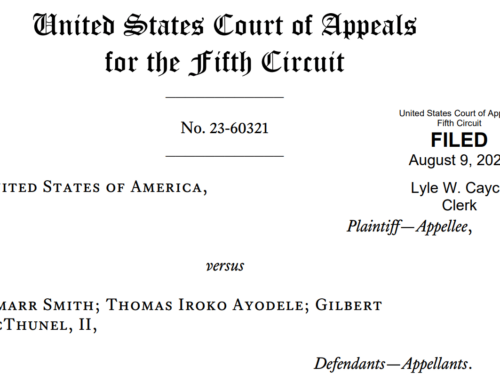
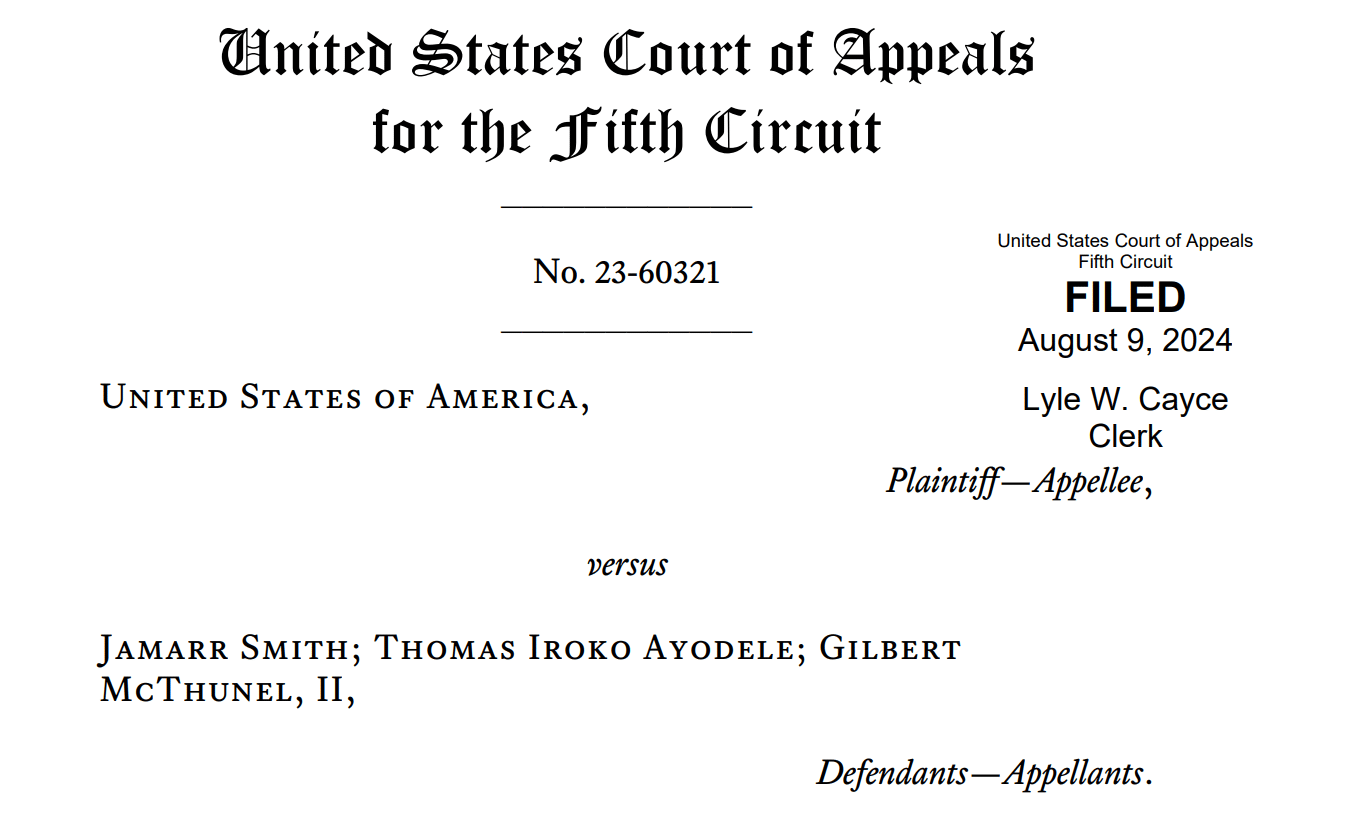
How police obtained location records also matters. In Carpenter v. United States, the Supreme Court held that accessing at least seven days of historical cell-site location records is a Fourth Amendment search that generally requires a warrant supported by probable cause. The Court left shorter periods and real-time tracking unresolved. If police obtained electronic evidence in violation of a defendant’s rights, counsel may have grounds to file a motion to suppress and ask the court to exclude it.
Contact Us
The proliferation of technology has significantly changed the investigation and defense of criminal cases. Historically, a criminal defense attorney’s primary focus was often on witness testimony and physical evidence. Today, however, electronic evidence plays a crucial role in many cases, and criminal defense attorneys must have a deep understanding of the technology involved to defend their clients effectively.
CALL US NOW for a CONFIDENTIAL INITIAL CONSULTATION at (305) 538-4545, or take a moment to fill out our confidential and secure intake form.* The additional details you provide will greatly assist us in responding to your inquiry.
*Due to the large number of people who contact our law office requesting our assistance, it is strongly suggested that you take the time to provide us with specific details regarding your case by filling out our confidential and secure intake form. The additional details you provide will greatly assist us in responding to your inquiry promptly and appropriately.
THERE ARE THOUSANDS OF LAW FIRMS AND ATTORNEYS IN SOUTH FLORIDA. ALWAYS INVESTIGATE A LAWYER’S QUALIFICATIONS AND EXPERIENCE BEFORE MAKING A DECISION ON HIRING AN ATTORNEY FOR YOUR MIAMI-DADE COUNTY CASE