


The Startling Truth About Field Drug Tests and Wrongful Convictions
In January 2024, the Quattrone Center for the Fair Administration of Justice released a national study examining how presumptive field drug tests contribute to wrongful arrests and convictions. The report’s findings are deeply alarming, suggesting these inexpensive chemical tests used widely by law enforcement contribute to approximately 30,000 wrongful drug arrests per year involving people not actually in possession of controlled substances.
Widespread Use of Tests Prone to Errors
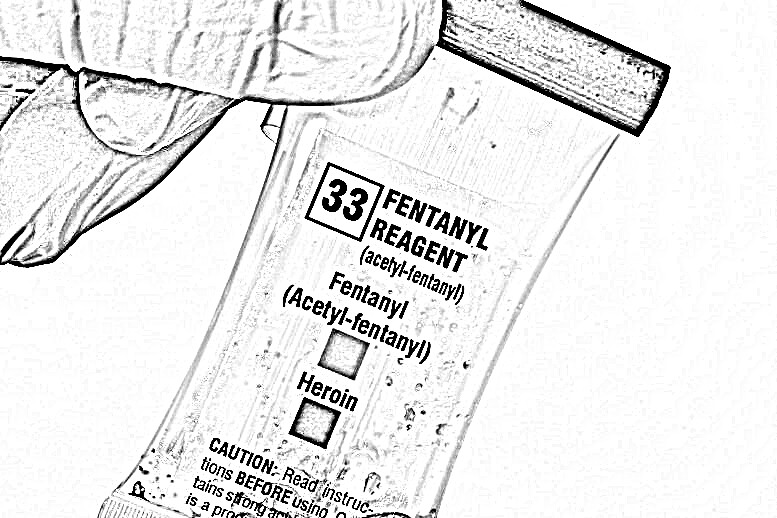
Titled “Guilty Until Proven Innocent: Field Drug Tests and Wrongful Convictions,” the Quattrone Center’s report estimates there are 1.55 million drug arrests annually in the U.S. Field drug tests, which utilize chemical reagents to detect the presence of drug compounds and return preliminary positive or negative results, are used in about half of these arrests. While seemingly straightforward and convenient for officers, these colorimetric field tests are notoriously prone to inaccuracy. The tests can be triggered by a wide range of legal compounds, not just illicit drugs. However, the true error rate remains unknown since comprehensive analysis of field test results compared to lab confirmations is rare.
Estimating the Role in Wrongful Convictions
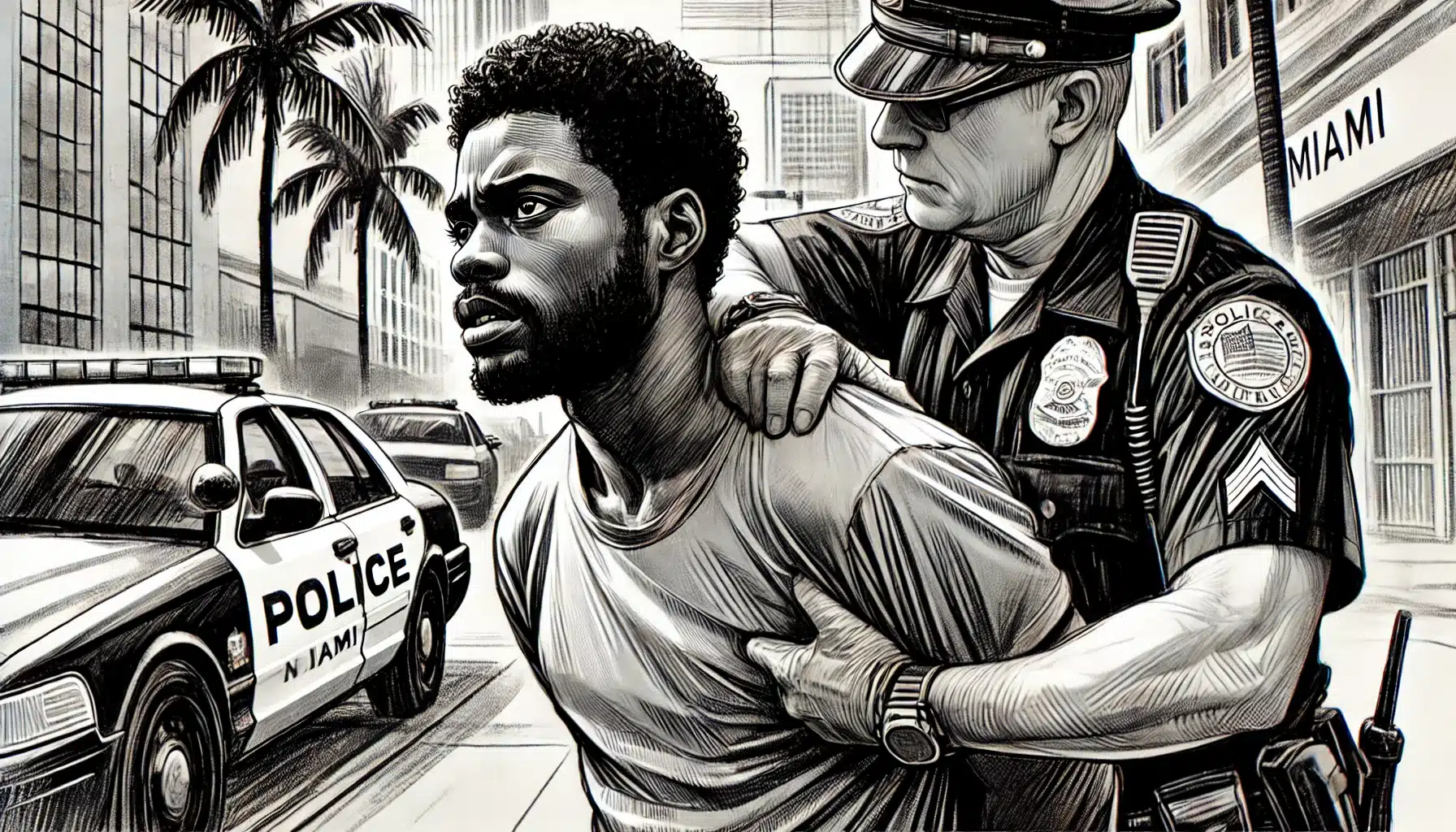
The Quattrone Center estimated that false-positive field drug tests lead to roughly 30,000 wrongful arrests each year involving people who do not possess controlled substances. That figure is an estimate drawn from available data; the nationwide error rate remains unknown. People accused of possessing a controlled substance may face pressure to plead guilty before laboratory testing establishes what the substance actually contains. The estimate does not establish that 30,000 people are wrongfully convicted each year.
Disproportionate Impacts on Minorities
On a per capita basis, these erroneous arrests disproportionately impact communities of color. Analysis shows the annual rate of wrongful arrests involving field tests per capita is three times higher for Black Americans compared to their white counterparts.
Lack of Safeguards Enable Wrongful Pleas
Plea bargains can end a drug case before laboratory testing confirms the substance’s identity. In the Quattrone Center’s survey, 89% of responding prosecutors reported that their jurisdictions permitted guilty pleas without a confirmatory drug test. This finding describes the survey responses; it does not establish the policy in every jurisdiction or in Miami-Dade County.
Penn’s summary also reports that 46% of responding drug laboratories did not conduct confirmatory testing once a guilty plea had been entered. When testing stops after a plea, a false-positive field result may remain undiscovered.
The Devastating Human Impacts
The report describes the case of Skye Collins, who pleaded guilty to cocaine possession in Houston and received three years of probation. Laboratory testing performed one week after her plea found no illicit substance. Her case shows how a guilty plea can precede the testing needed to uncover a false accusation.
The Need for Reform
The Quattrone Center’s policy recommendations for field drug testing call for laboratory confirmation before arrest or charging, limits on the use of presumptive tests, and safeguards against guilty pleas based on false results. These are proposed reforms; readers should not assume that Florida or Miami-Dade County has adopted them. At a time when the impacts of over-criminalization and mass incarceration on poor and minority communities are under scrutiny across the nation, these findings add troubling context. They also serve as a call to action – there are clear steps jurisdictions that value public safety, truth, and justice can take to address this issue, starting with how we define guilt when liberty itself hangs in the balance.
Field drug tests are not the only law enforcement tool that can contribute to wrongful arrests. Similar concerns arise when police rely on facial recognition technology without adequate safeguards, transparency, or independent verification. Similar concerns about weak forensic evidence arise with the lung float test used in prosecutions following pregnancy loss.
The Role of Defense Attorneys in Addressing Test Inaccuracies
For defense attorneys, this report underscores the need for vigilance and thorough investigation in cases involving drug charges. It is essential to question the reliability of the field tests used and to consider the possibility of false positives in building a defense strategy. The report provides critical information that can be used to challenge the evidence in drug cases, emphasizing the need for confirmatory testing and questioning the admissibility of these tests in court. The findings of this report are a call to action for all stakeholders in the criminal justice system, especially for defense attorneys in Miami and across the United States. It highlights the need for more judicious use of presumptive drug tests and a systemic review to prevent wrongful convictions.
If you or someone you know is facing drug charges in Miami, call (305) 538-4545 for a confidential initial consultation, or complete our confidential and secure intake form using the button below.
*Due to the large number of people who contact our law office requesting our assistance, it is strongly suggested that you take the time to provide us with specific details regarding your case by filling out our confidential and secure intake form. The additional details you provide will greatly assist us in responding to your inquiry promptly and appropriately.
THERE ARE THOUSANDS OF LAW FIRMS AND ATTORNEYS IN SOUTH FLORIDA. ALWAYS INVESTIGATE A LAWYER’S QUALIFICATIONS AND EXPERIENCE BEFORE MAKING A DECISION ON HIRING A CRIMINAL DEFENSE ATTORNEY FOR YOUR MIAMI-DADE COUNTY CASE