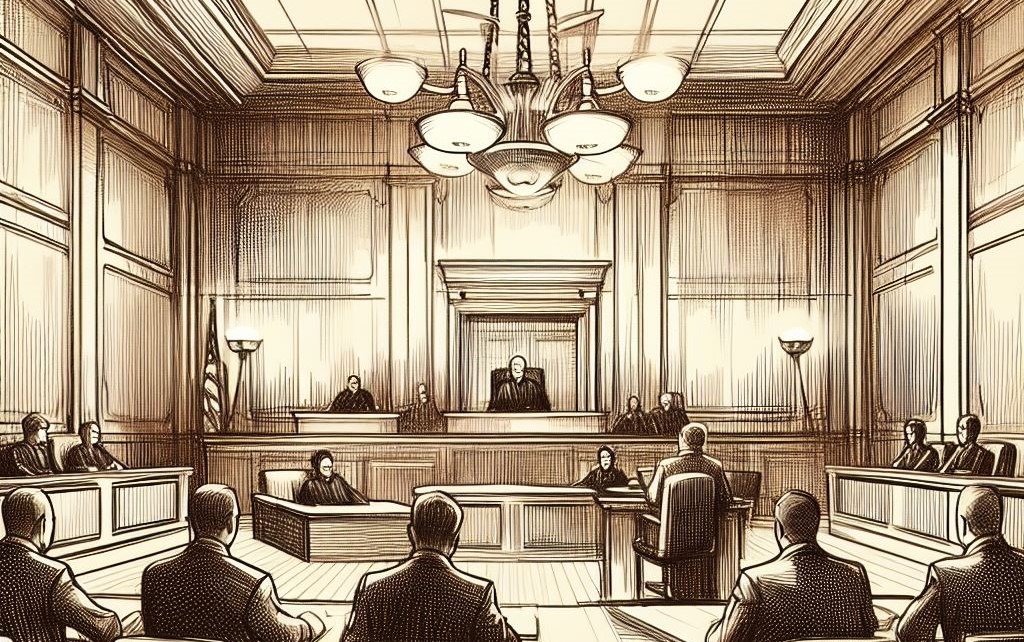




The 6th Amendment Right to Counsel: An Essential Protection for All Defendants
If you or a loved one have been charged with a crime, one of your most fundamental rights is the 6th Amendment right to legal representation. Having an experienced criminal defense attorney by your side through every step of the process can make all the difference in the outcome of your case. In this post, I’ll provide an in-depth look at what the 6th Amendment right to counsel means and why it’s so vitally important.
The “right to counsel” refers to the legal right of criminal defendants to have an attorney represent them throughout the various stages of prosecution. This right is enshrined in the Sixth Amendment to the US Constitution, state laws, and legal precedents. It aims to ensure that all individuals facing criminal charges have access to knowledgeable legal assistance.
What Does the 6th Amendment Say About the Right to Counsel?
The 6th Amendment to the US Constitution states:
“In all criminal prosecutions, the accused shall enjoy the right to a speedy and public trial, by an impartial jury of the State and district wherein the crime shall have been committed, which district shall have been previously ascertained by law, and to be informed of the nature and cause of the accusation; to be confronted with the witnesses against him; to have compulsory process for obtaining witnesses in his favor, and to have the Assistance of Counsel for his defence.”
The Sixth Amendment guarantees the assistance of counsel once formal criminal proceedings begin. It protects defendants at trial and at other critical stages of the prosecution. An arrest alone does not necessarily trigger this right.
The separate right to counsel under Miranda protects against compelled self-incrimination during custodial interrogation. It can apply before charges are filed. Once criminal proceedings begin, both protections may apply to questioning about the charged offense.
You can seek legal help before the Sixth Amendment right attaches. A lawyer who handles criminal investigations can advise you about police interview requests and communicate with investigators before charges are filed.
Why Is the 6th Amendment Right to Counsel So Important?
There are several crucial reasons why the right to counsel is considered one of the fundamental pillars of the American criminal justice system:
The Complexity of the Legal System
Navigating the criminal justice system is extraordinarily complex, with intricate laws and procedures that even experienced legal professionals have difficulty understanding. Expecting defendants to comprehend it well enough to adequately defend themselves is unrealistic. Having counsel levels the playing field.
The Risk of Self-Incrimination
Anything an accused person says or does before the trial can be used against them later. Without an attorney advising them, it’s very easy for defendants to unintentionally incriminate themselves and sabotage their own case.
Protection Against Abuses
There have been far too many examples throughout history of defendants being intimidated, coerced, or abused by law enforcement. Defense counsel acts as a protector and witness to any mistreatment.
Sentencing Expertise
Nearly all criminal convictions result in sentencing. The applicable laws and sentencing guidelines can be bewildering in their complexity. An experienced attorney is essential for negotiating the most favorable resolution.
Knowledge of the Law
Attorneys devote years of study and training to fully understand criminal law and procedure. Expecting a defendant to comprehend and apply legal principles on their own is unrealistic. Counsel bridges that gap.
Investigative Resources
Building an effective defense frequently requires interviewing witnesses, analyzing evidence, hiring experts, and gathering records. Attorneys have the skills and resources to conduct a thorough investigation.
Negotiation Experience
A defense lawyer can assess a proposed plea bargain, explain its terms and consequences, and compare it with the risks and possible benefits of going to trial. Whether to accept an offer depends on the evidence, available defenses, and the defendant’s goals.
Given the huge power imbalance and resources between the state and individual defendants, having counsel to advocate for and guide accused persons through the justice system is absolutely necessary. The right to counsel levels the playing field, reduces unjust outcomes, and acts as a vital check against government overreach.
When Does the 6th Amendment Right to Counsel Kick In?
The Sixth Amendment right to counsel attaches when formal criminal proceedings begin, such as through an indictment, information, arraignment, or an initial court appearance at which the accused learns of the charge and faces restrictions on liberty. The right attaches because those proceedings have begun; it does not depend on the accused first asking for a lawyer.
Once the right attaches, it protects defendants at critical stages, including plea negotiations, trial, sentencing, and certain preliminary hearings. It also applies to questioning about the charged offense and to live identification lineups conducted after proceedings begin, unless counsel is validly waived.
The right does not cover every investigative step. For example, the Sixth Amendment does not require defense counsel to attend a photographic identification procedure conducted with a witness.
Invoking the Right to Counsel
Although the Sixth Amendment right attaches automatically when formal proceedings begin, a defendant who needs appointed counsel should tell the court and complete the required financial application. Attachment of the right and appointment of a lawyer are separate steps.
During custodial questioning, clearly state that you want a lawyer and do not want to answer questions without one. Having counsel appointed in court does not, by itself, prevent every later police approach under federal constitutional law. A valid waiver may still allow questioning, while a clear request for counsel during custodial interrogation triggers separate protections against further questioning.
Defendants also generally have a constitutional right to represent themselves at trial if they clearly request it and knowingly, intelligently, and voluntarily waive counsel. Courts must explain the risks and may restrict self-representation in circumstances involving competence or serious disruption.
Can the 6th Amendment Right to Counsel Ever Be Waived?
Yes, defendants can waive their right to counsel. However, this waiver must be made voluntarily, knowingly, and intelligently. The accused must fully understand the implications and be mentally competent to make that choice.
Courts will look at factors such as the person’s age, mental status, prior experience with the legal system, and background to determine if they grasp what they are giving up. Before accepting a waiver, the judge will thoroughly explain the dangers and disadvantages of self-representation.
Often, the court will appoint “standby counsel” to offer assistance and resume full representation if requested. Defendants can even change their minds later and revoke a waiver of counsel they previously made.
While allowed, waiving the right to counsel and representing yourself is extremely ill-advised in most cases. The old saying, “A man who is his own lawyer has a fool for a client,” is very applicable to criminal defense. Having an experienced attorney vastly improves your chances of success.
How Is Counsel Provided for Indigent Defendants?
In Gideon v. Wainwright, the Supreme Court held that states must provide counsel to defendants who cannot afford a lawyer in felony prosecutions. In misdemeanor cases, the federal constitutional rule generally bars actual imprisonment, including a suspended jail sentence, unless the defendant had counsel or validly waived that right. Florida law provides broader protection: eligible defendants generally receive appointed counsel for state-prosecuted misdemeanors unless the court enters an order of no imprisonment.
Typically, public defender offices with full-time government-funded attorneys handle these cases. Some jurisdictions appoint private lawyers on a rotating basis to represent indigent defendants (called “taking a turn” at court-appointed counsel). Pro bono legal aid organizations also assist in providing representation.
Strong publicly-funded defense systems are crucial to fulfilling the 6th Amendment promise of counsel for all. When public defender offices are underfunded and overloaded, the constitutional right to counsel can become more theoretical than real. In the worst cases, inadequate representation can contribute to wrongful convictions and leave a person imprisoned for a crime they didn’t commit. Public defender offices need enough funding and staff to provide effective representation; underfunded public defense systems can leave lawyers with more cases than they can properly handle.
The Sixth Amendment applies to criminal prosecutions. Any right to appointed counsel in a civil case comes from other law and depends on the type of proceeding and the jurisdiction.
Limits of the 6th Amendment Right to Counsel
While very broad, the 6th Amendment right to counsel does have some boundaries in its scope and protection:
- It only applies to criminal proceedings, not civil cases or other matters. The right to an attorney in civil cases is much more limited.
- The right to hire a lawyer differs from the right to have one appointed at public expense. A fine-only sentence may be imposed for a misdemeanor without appointed counsel under the federal constitutional rule, but state law may provide broader rights.
- The Sixth Amendment applies in both federal and state criminal prosecutions. The Fourteenth Amendment’s Due Process Clause makes the right to counsel binding on the states.
- The right includes effective assistance of counsel. Having a lawyer present does not, by itself, satisfy the Constitution if the representation falls below the required standard and causes legally sufficient prejudice.
- It doesn’t guarantee a “meaningful relationship” with appointed counsel. Defendants can’t demand a different public defender without good cause.
So while not completely unlimited, the 6th Amendment provides accused persons with a robust tool to demand representation when facing potential imprisonment.
Contact an Experienced Miami Criminal Defense Attorney
Defending yourself against criminal charges without an attorney’s guidance is a scary prospect that can severely jeopardize your case. Take advantage of this vital constitutional right if you find yourself accused of a crime. The assistance of a knowledgeable defense lawyer will give you the best chance at justice in our complex legal system. Don’t hesitate to turn to an experienced criminal attorney for representation. Your freedom, record, and future are on the line.
CALL US NOW for a CONFIDENTIAL INITIAL CONSULTATION at (305) 538-4545, or take a moment to fill out our confidential and secure intake form.* The additional details you provide will greatly assist us in responding to your inquiry.
*Due to the large number of people who contact our law office requesting our assistance, it is strongly suggested that you take the time to provide us with specific details regarding your case by filling out our confidential and secure intake form. The additional details you provide will greatly assist us in responding to your inquiry promptly and appropriately.
THERE ARE THOUSANDS OF LAW FIRMS AND ATTORNEYS IN SOUTH FLORIDA. ALWAYS INVESTIGATE A LAWYER’S QUALIFICATIONS AND EXPERIENCE BEFORE MAKING A DECISION ON HIRING A CRIMINAL DEFENSE ATTORNEY FOR YOUR MIAMI-DADE COUNTY CASE