


Federal vs. State Charges in Miami
If you or a loved one has been arrested in Miami, the first and most critical question is often not what the charges are, but where they are being filed.
Most people assume that “court is court.” They believe that a trial in the Richard E. Gerstein Justice Building (state court) is basically the same as one in the Wilkie D. Ferguson Jr. U.S. Courthouse (federal court). This is a dangerous misconception.
The difference between state and federal court is not just about the building—it’s about two entirely different legal systems with different rules, timelines, and consequences. As both state and federal criminal defense attorneys, we handle both, and we know that a strategy that works in state court can be disastrous in federal court.
1. The Bond Process: “Entitlement” vs. “Detention”
State Court: Florida generally provides a right to reasonable pretrial release, subject to important exceptions. For capital offenses and offenses punishable by life imprisonment, an Arthur hearing addresses whether the proof of guilt is evident or the presumption great and whether the court should grant bail. Courts may also order pretrial detention when Florida’s detention requirements are met. A bond schedule does not guarantee release in every case.
Federal Court: Federal courts do not use a standard bond schedule. Release or detention is usually addressed at the initial appearance, with a separate federal detention hearing when detention is sought on a legally permitted ground. The court considers whether release conditions can reasonably assure the defendant’s appearance and the safety of other people and the community.
If the court imposes a Nebbia requirement, the defense must document the source of the money or property offered to secure the bond. That requirement does not itself mean prosecutors have proved that the funds are illegal. The court examines the source and whether the proposed security will reasonably assure the defendant’s appearance.
2. Discovery: Access to Witnesses and Evidence
State Court: Florida generally allows the defense to take discovery depositions in felony cases, subject to rules governing witness categories and protections for certain victims and witnesses. Depositions let defense counsel question witnesses under oath before trial and test their accounts. In misdemeanor and criminal traffic cases, depositions generally require a court order based on good cause.
Federal Court: Discovery in a federal criminal case works differently. There is no general right to take witness depositions for discovery. The Jencks Act generally requires production of a government witness’s covered statements after that witness testifies on direct examination, though prosecutors may disclose them earlier. Separate duties require disclosure of favorable evidence in time for the defense to use it effectively at trial.
3. Sentencing: Scoresheets vs. Guidelines
State Court: Florida generally uses a Criminal Punishment Code scoresheet for noncapital felony sentencing. The score reflects the current offenses, prior record, and other factors. A sentence below the lowest permissible sentence requires a legally valid basis for a downward departure. Mandatory minimum sentences can impose separate limits on the judge’s discretion.
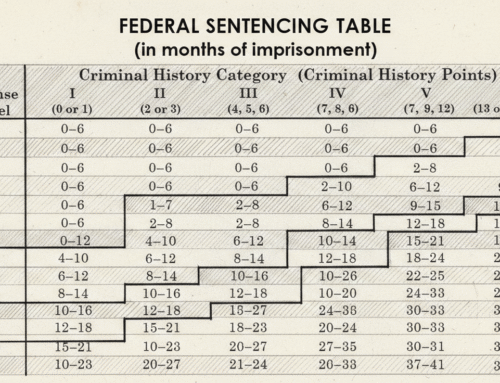
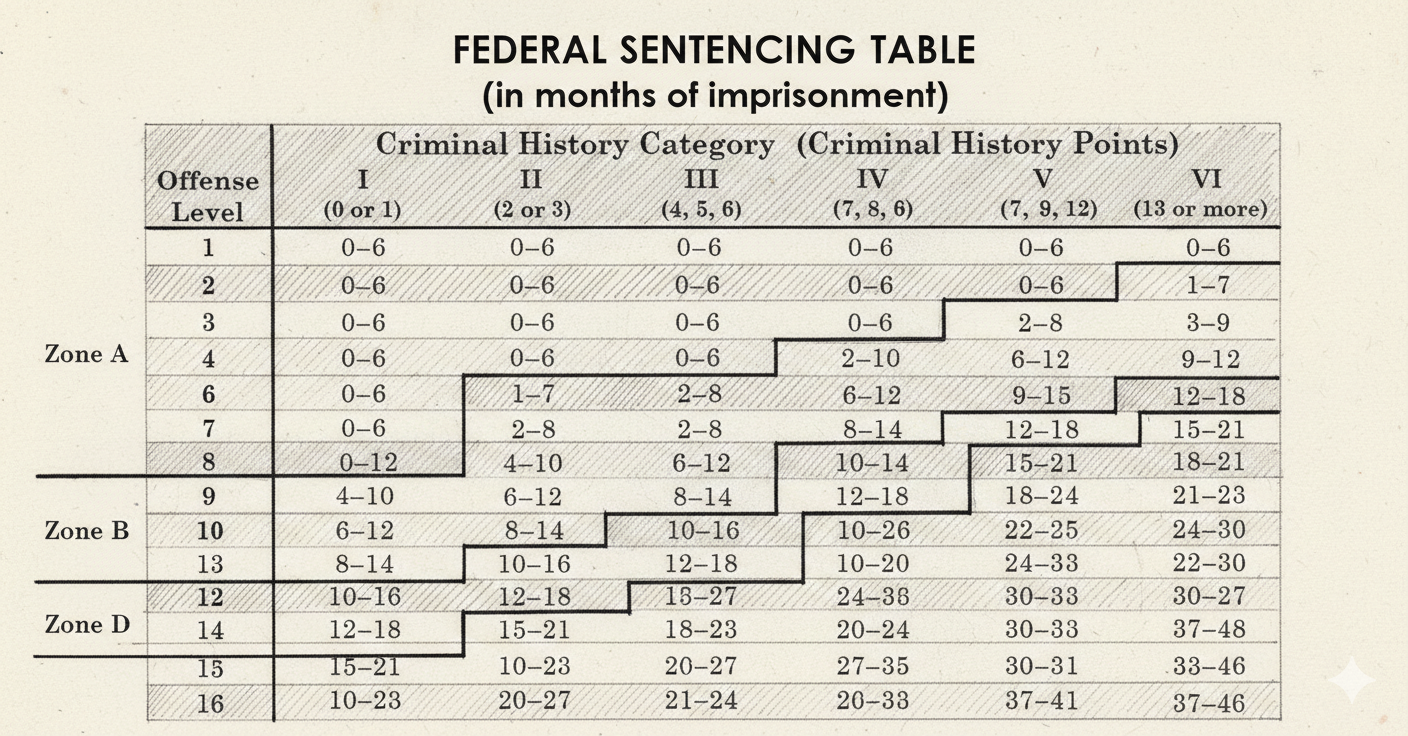
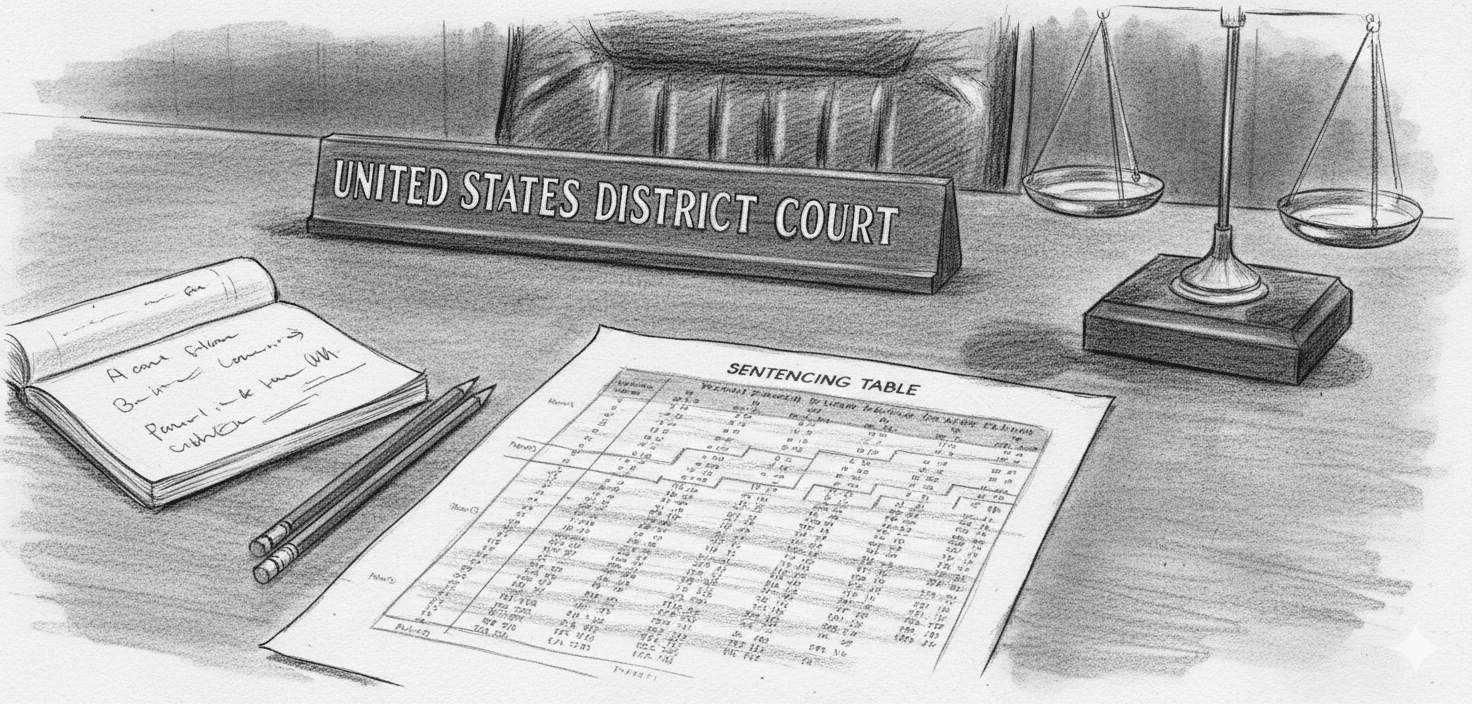
Federal Court: Judges must calculate and consider the Federal Sentencing Guidelines, but may impose a sentence outside the advisory range based on the statutory sentencing factors, subject to applicable mandatory minimums and maximums. The calculation may include relevant conduct beyond the offense of conviction, including certain uncharged conduct or conduct underlying dismissed counts. Conduct underlying a federal acquittal is generally excluded from relevant conduct unless it also establishes all or part of the offense of conviction.
4. The “Speedy Trial” Trap
State Court: Florida’s speedy-trial rule generally sets a 175-day deadline for felonies and a 90-day deadline for misdemeanors, measured from the filing of formal charges. Under the amendments effective July 1, 2025, missing that deadline does not automatically end the case. The defense must invoke the rule’s remedy, which includes a mandatory 30-day recapture period. Dismissal is without prejudice unless the court finds a constitutional speedy-trial violation, so the State may be able to refile.
Federal Court: The federal Speedy Trial Act generally requires trial within 70 days of the indictment or the defendant’s first appearance in the court where the charge is pending, whichever occurs later. Certain delays are excluded from that calculation, including time related to pretrial motions and qualifying continuances. A continuance based on the “ends of justice” requires findings explaining why the delay outweighs the public’s and defendant’s interests in a speedy trial.
Why You Need a Dual-System Attorney
State and federal criminal cases call for different preparation. Florida practice includes Arthur hearings in capital and life-punishable cases, while federal practice requires familiarity with the Bail Reform Act and federal sentencing calculations. A lawyer handling both systems needs to understand how those differences affect release, trial preparation, and sentencing.
If you’re facing federal charges—or a state case that could “go federal”—you need a defense lawyer who understands both systems. The Edelstein Firm knows how to navigate the aggressive tactics of the U.S. Attorney’s Office while protecting your rights and future.
Facing Charges in Miami? Let’s Talk.
Whether you’re in front of a judge at the Gerstein Building or under indictment at the Wilkie D. Ferguson Courthouse, don’t face it alone. We can review your case, explain your exposure, and develop a defense strategy tailored to your specific situation.
CALL US NOW for a CONFIDENTIAL INITIAL CONSULTATION at (305) 538-4545, or take a moment to fill out our confidential and secure intake form.* The additional details you provide will greatly assist us in responding to your inquiry.
*Due to the large number of inquiries we receive, providing specific details about your case helps us respond promptly and appropriately.
THERE ARE THOUSANDS OF LAW FIRMS AND ATTORNEYS IN SOUTH FLORIDA. ALWAYS INVESTIGATE A LAWYER’S QUALIFICATIONS AND EXPERIENCE BEFORE MAKING A DECISION ON HIRING A CRIMINAL DEFENSE ATTORNEY FOR YOUR MIAMI-DADE COUNTY CASE.