


Cell Site Simulators (“Stingrays”) and Your Privacy Rights in Florida Criminal Cases
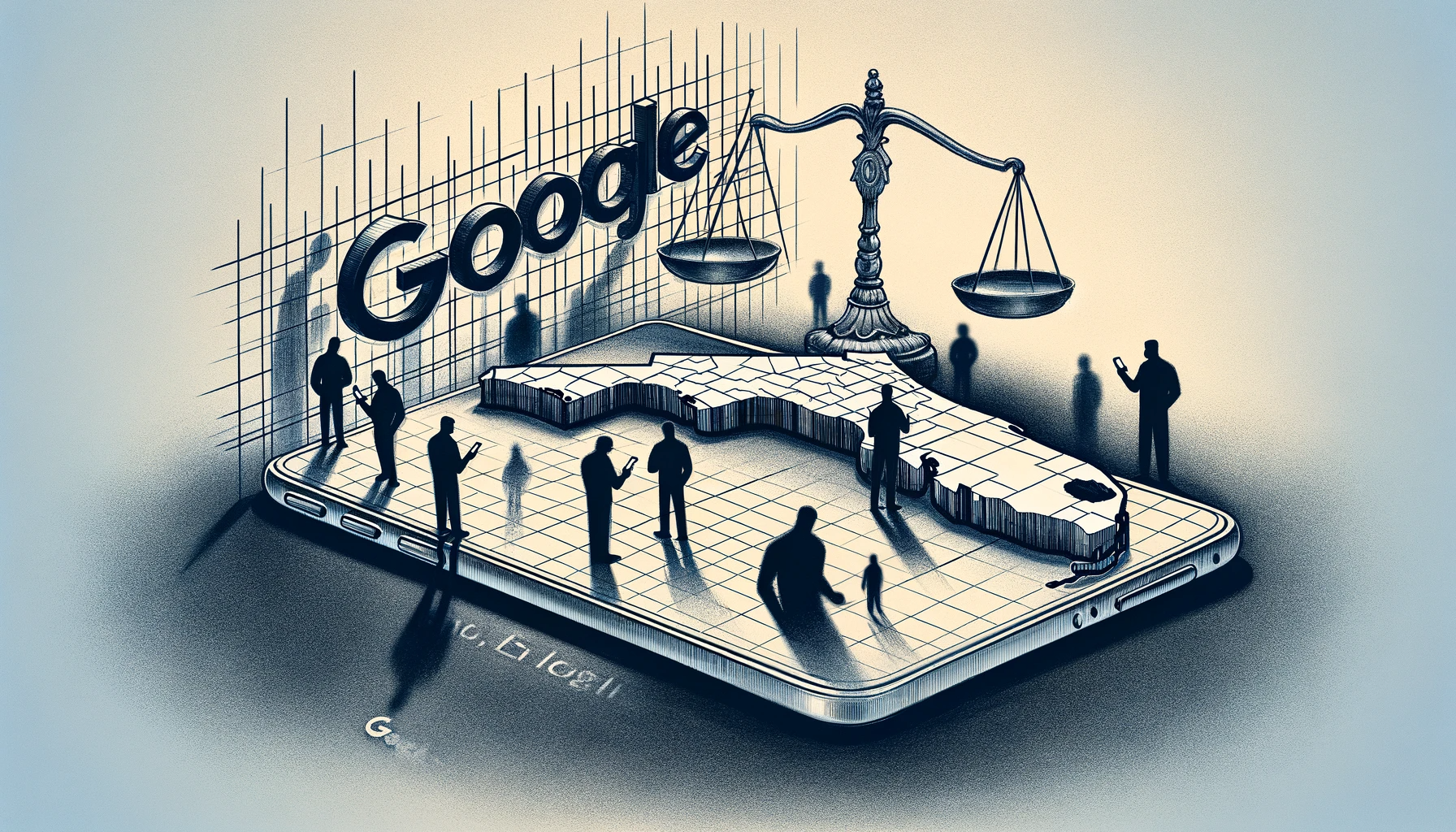
If you carry a cellphone—and almost everyone does—you are constantly sending signals so your phone can connect to nearby towers. Most people assume those signals are handled only by their wireless provider. What many people in Miami and throughout Florida do not realize is that law enforcement agencies can use powerful surveillance tools called cell site simulators, commonly known as Stingrays, to intercept those signals directly.
We have represented clients who had no idea their phones were used in an investigation until charges were filed. If police relied on advanced cellphone tracking technology in your case, understanding how Stingrays work—and the privacy rights that still protect you—can make a real difference in your defense.
From a criminal defense standpoint, Stingrays raise serious constitutional and statutory concerns. They sit at the intersection of technology, privacy, and police power, and they are often misunderstood by judges, prosecutors, and the public alike. Below, we explain what Stingrays are, how they are used, why they are controversial, and how we challenge their use in Miami criminal cases.
What Is a Cell Site Simulator (Stingray)?
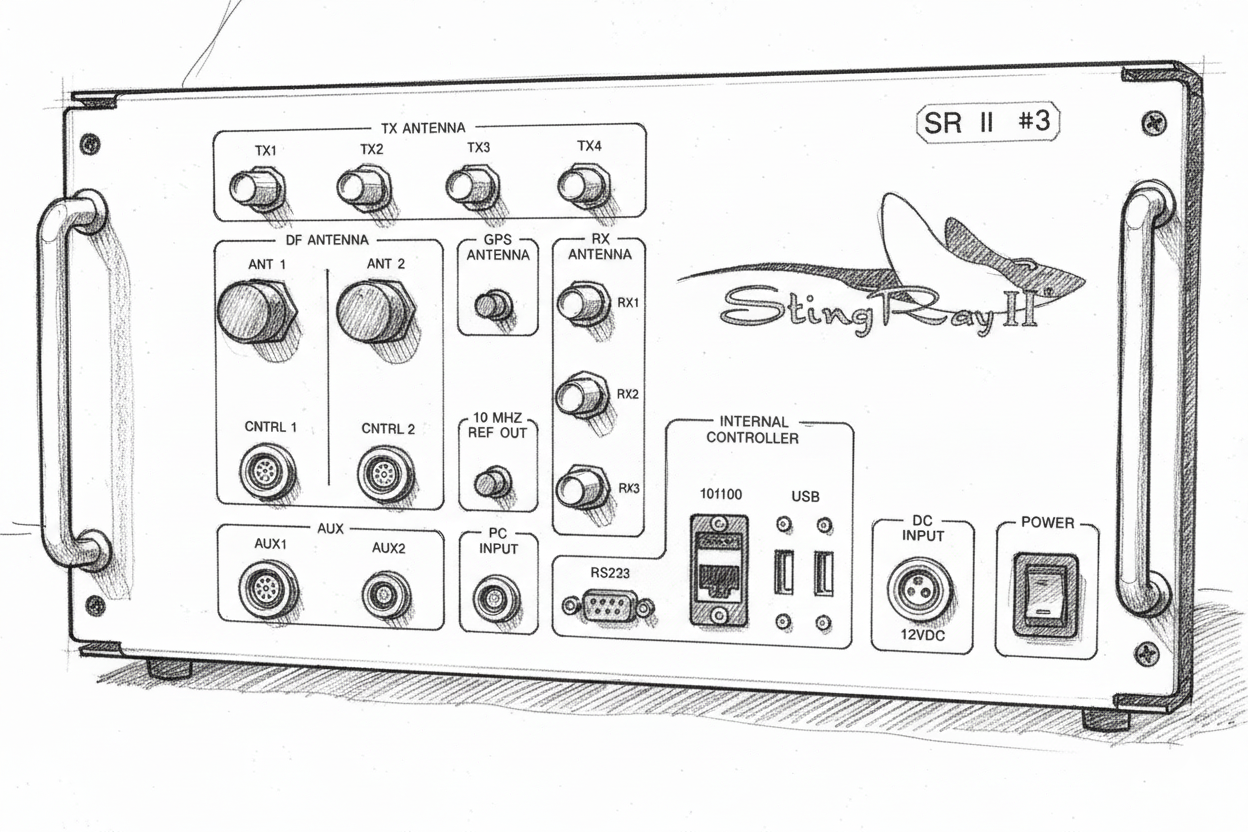
A cell site simulator is a surveillance device that impersonates a legitimate cellphone tower. When activated, it forces nearby phones to connect to it rather than an actual carrier tower. Once a phone connects, the device can capture identifying information from that phone.
Civil liberties organizations have tracked the spread of this technology for years. The ACLU provides a clear overview of how Stingrays function and why they raise privacy concerns.
Depending on the model and how it is configured, a Stingray may:
- Capture unique phone identifiers such as IMSI (International Mobile Subscriber Identity) or IMEI numbers
- Locate a phone’s physical position with varying degrees of precision
- Track movement over time
- In some configurations, collect metadata related to calls or texts
- Temporarily disrupt service for phones in the area
It is important to understand what cell site simulators typically do not do: As typically configured for law enforcement location operations—and under DOJ and DHS policy—cell site simulators are used to identify and locate devices, not to capture the content of communications. Capability varies by device and configuration, but federal policy prohibits using these tools to intercept content in most circumstances.
Law enforcement agencies often claim they only use Stingrays to locate a specific suspect. The problem is that every phone within range is affected, including phones belonging to completely innocent bystanders.
How Police Use Stingrays in Criminal Investigations
In Miami-Dade County and across Florida, cell site simulators have been used in investigations involving:
- Drug trafficking allegations
- Firearm offenses
- Robbery and burglary cases
- Violent felony investigations
- Fugitive apprehension efforts
Officers typically deploy these devices from unmarked vehicles, aircraft, or portable units. Because the Stingray emits a stronger signal than nearby towers, phones automatically connect to it without the user doing anything.
Once the target phone is identified, officers may be able to narrow its location to within a specific building or area. In some cases, with repeated deployments and advanced equipment, they may pinpoint a location more precisely. However, accuracy depends heavily on the equipment used, environmental factors, and deployment conditions.
From there, that information may be used to justify stops, searches, arrests, or warrants.
As defense lawyers, one of our biggest concerns is the quiet way this technology has been used. For years, agencies avoided disclosing Stingray use by describing it as information from a “confidential source” or by building a parallel investigation to conceal the original surveillance method.
Secrecy, Nondisclosure Agreements, and Due Process Problems
One reason Stingrays became so controversial is that police departments often entered nondisclosure agreements with manufacturers, limiting what officers could reveal in court.
Even the federal government has acknowledged these issues. The U.S. Department of Justice issued formal guidance requiring warrants and safeguards for the use of Stingrays.
When surveillance methods are hidden, defendants are deprived of a fair opportunity to challenge the legality of the search. That creates serious due process problems, particularly when digital location data becomes the backbone of the prosecution’s case.
Why Stingrays Create Major Privacy Concerns
Cell site simulators are not narrowly targeted tools. They work by casting a wide net and sorting through the data afterward. That reality creates several constitutional red flags.
Dragnet Collection of Data
When police activate a Stingray, they are not just interacting with one phone. They are collecting signals from all phones within range, including phones belonging to people who have nothing to do with the investigation.
That type of dragnet surveillance clashes with long-standing Fourth Amendment principles requiring individualized suspicion.
Intrusion Into Digital Life
A cellphone is not just a communication device. It is a detailed record of where you go, who you talk to, and how often. Courts increasingly recognize that accessing this information can reveal deeply personal details about a person’s life. That same principle is central to why courts have required warrants for certain border searches of cell phones.
Using a Stingray without proper judicial oversight risks turning routine police work into unconstitutional monitoring.
The Fourth Amendment and Cell Site Simulators
The Fourth Amendment protects against unreasonable searches and seizures and generally requires law enforcement to obtain a warrant supported by probable cause before conducting invasive surveillance.
The central legal question is whether using a cell site simulator constitutes a “search.” Many courts that have addressed the issue have treated Stingray deployment as a Fourth Amendment search—particularly when it reveals location inside a home—and DOJ policy generally requires a warrant supported by probable cause for criminal use. However, the Supreme Court has not directly addressed cell site simulators; the doctrine is still developing, and outcomes can be fact-specific.
Carpenter v. United States and Its Impact
While the U.S. Supreme Court has not ruled directly on Stingrays, its decision in Carpenter v. United States dramatically reshaped digital privacy law.
In Carpenter, the Court held that accessing historical cell site location information from a phone company requires a warrant. The reasoning was straightforward: prolonged access to location data provides an intimate window into a person’s life and therefore constitutes a search under the Fourth Amendment.
Many legal scholars and criminal defense attorneys argue that Carpenter‘s reasoning should apply with equal or greater force to Stingrays, which allow police to collect location data directly and in real time, without any involvement from the phone carrier. Some courts have embraced this reasoning, while others have distinguished Stingrays as more targeted and temporary than the prolonged historical tracking at issue in Carpenter. The legal landscape continues to develop.
What Carpenter made clear, however, is that the traditional “third-party doctrine”—the idea that people have no reasonable expectation of privacy in information voluntarily shared with third parties, such as phone companies—has significant limits in the digital age. That principle undermines many older arguments law enforcement once used to justify warrantless location tracking.
Florida’s Constitutional Right to Privacy
Florida offers stronger privacy protections than many other states. Article I, Section 23 of the Florida Constitution explicitly guarantees a right to privacy.
This provision gives Florida criminal defense lawyers an additional avenue to challenge warrantless or overbroad surveillance, depending on the context. Florida courts have applied this constitutional privacy guarantee to other forms of government intrusion, and it may provide protections beyond federal constitutional minimums in appropriate cases.
Florida Courts Have Led on Digital Privacy Protection
Florida courts recognized the constitutional problems with cell phone location tracking before many federal courts did.
In Tracey v. State, 152 So. 3d 504 (Fla. 2014), decided four years before the U.S. Supreme Court’s Carpenter decision, the Florida Supreme Court held that individuals have a reasonable expectation of privacy in real-time cell site location information. The Court ruled that obtaining this data without a warrant violates the Fourth Amendment. This binding precedent applies throughout Florida and demonstrates that our state courts were ahead of the curve in protecting digital privacy rights.
More directly on point, in State v. Sylvestre, 254 So. 3d 986 (Fla. 4th DCA 2018), the Fourth District upheld suppression where officers used a cell-site simulator to locate a phone without a warrant, emphasizing the technology’s invasiveness—particularly when it reveals a location inside a home. While binding only within the Fourth District (covering Palm Beach, Broward, St. Lucie, Martin, Indian River, and Okeechobee counties), it is a strong persuasive authority elsewhere in Florida.
Together, Tracey and Sylvestre establish that Florida takes digital privacy seriously and provides robust protections against warrantless cell phone surveillance.
Common Legal Problems With Stingray Evidence
When we examine cases involving suspected Stingray use, several recurring issues appear:
Inadequate or Misleading Warrants
Some warrants fail to fully disclose the technology being used or rely on outdated legal standards. Even when law enforcement obtains a warrant, if that warrant does not adequately describe the surveillance technology, its capabilities, or the scope of data collection—including the inevitable collection of information from innocent third parties—the warrant may not satisfy constitutional requirements. A judge cannot authorize a search properly without knowing its proper scope.
Overcollection of Data
If officers gather information from phones beyond what the warrant allows, the search may exceed its lawful limits.
Failure to Disclose in Discovery
Defense attorneys cannot challenge what they do not know exists. Failure to disclose Stingray use can violate discovery rules and constitutional protections.
Tainted Evidence
If Stingray data leads officers to evidence they otherwise would not have found, that evidence may be subject to suppression under the fruit-of-the-poisonous-tree doctrine. Prosecutors may attempt to argue exceptions such as independent source or inevitable discovery. Still, those arguments require scrutiny and often fail when surveillance was the actual starting point of the investigation.
How We Challenge Stingray Use in Miami Criminal Cases
When we suspect cell-site simulator use, we take a proactive, aggressive approach.
Targeted Discovery Requests
We demand documentation related to:
- Warrants or court orders
- Agency policies on Stingray deployment
- Training materials
- Communications with federal agencies or vendors
- Logs showing what data was collected and from how many devices
Motions to Suppress
If the surveillance violated the Fourth Amendment or Florida’s right to privacy, we ask the court to exclude any resulting evidence by filing a motion to suppress. We rely on binding Florida precedent from Tracey and persuasive authority from Sylvestre to argue that warrantless Stingray use is unconstitutional.
Evidentiary Hearings
We push for hearings requiring officers to explain, under oath, how the technology was used. These hearings often reveal inconsistencies or overreach.
Privacy-Focused Legal Arguments
We rely on both federal and Florida constitutional law to show that the surveillance crossed legal boundaries. We also challenge the adequacy of warrants that fail to describe the technology or its impact on third parties accurately.
Why This Matters If You Are Facing Charges
If cellphone tracking played a role in your arrest, that does not automatically mean the evidence is lawful. You have the right to challenge:
- How your phone was located
- Whether a valid warrant existed
- Whether the warrant adequately described the technology and its scope
- The scope of the data collected
- The impact on third parties
These challenges are not technical loopholes. They are fundamental protections against government overreach.
The Broader Digital Privacy Picture
As surveillance tools become more advanced, courts struggle to keep pace. The Electronic Frontier Foundation has documented how cellphone tracking affects everyday privacy.
From a defense perspective, pushing back against unlawful surveillance protects not only individual clients but the integrity of the justice system as a whole.
Protecting Your Rights in a High-Tech Criminal Investigation
Cell site simulators represent a powerful example of how modern policing can collide with constitutional limits. Technology does not erase privacy rights, and law enforcement does not get a free pass simply because a tool is sophisticated.
If you believe your phone was tracked during a criminal investigation, or if your case relies heavily on location data, this issue deserves scrutiny. Identifying unlawful surveillance early can change the entire trajectory of a case.
Your phone carries your private life in your pocket. When the government accesses that information, the Constitution still applies—and holding the line on those protections is where strong criminal defense begins.
CALL US NOW for a CONFIDENTIAL INITIAL CONSULTATION at
(305) 538-4545, or take a moment to fill out our confidential and secure intake form.* The additional details you provide will greatly assist us in responding to your inquiry.
*Due to the large number of inquiries we receive, providing specific details about your case helps us respond promptly and appropriately.
THERE ARE THOUSANDS OF LAW FIRMS AND ATTORNEYS IN SOUTH FLORIDA. ALWAYS INVESTIGATE A LAWYER’S QUALIFICATIONS AND EXPERIENCE BEFORE MAKING A DECISION ON HIRING A CRIMINAL DEFENSE ATTORNEY FOR YOUR MIAMI-DADE COUNTY CASE.