



Acceptance of Responsibility in Federal Sentencing
When you’re facing federal charges in Miami, or anywhere in the Southern District of Florida, one of the most important sentencing questions is whether you qualify for a reduction for Acceptance of Responsibility.
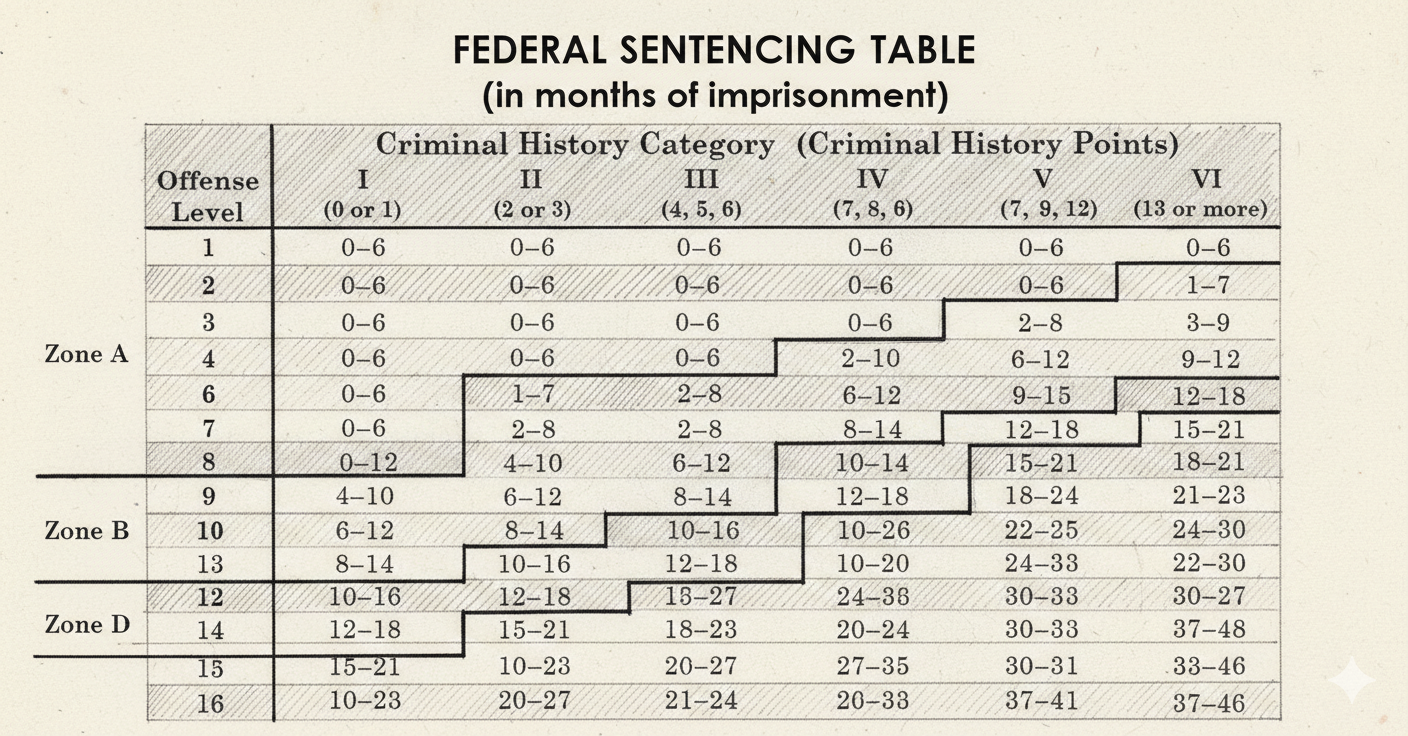
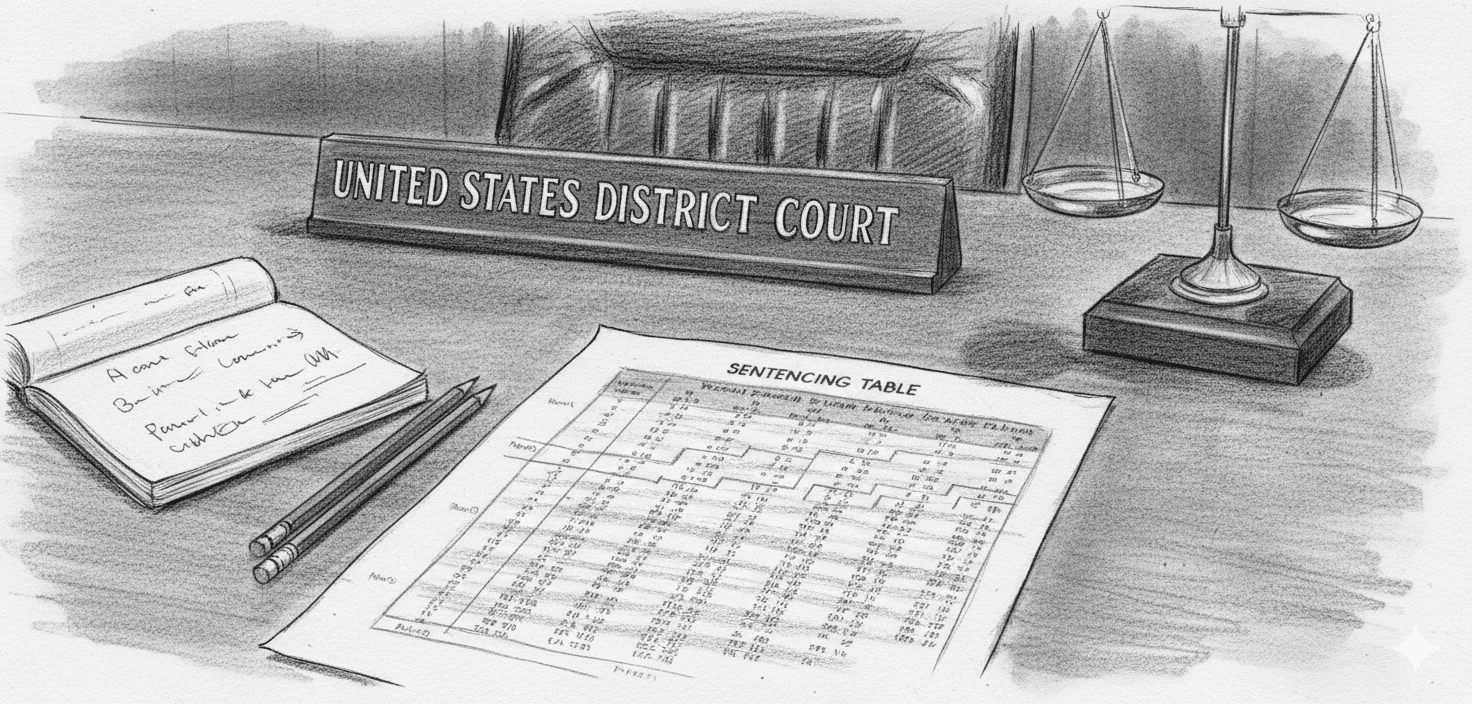
Under the United States Sentencing Guidelines, this adjustment can reduce your offense level by up to three levels — and in serious federal cases, that can mean years off a sentence.
Below is a clear explanation of how acceptance works, what courts look for, how it can be lost, and why early strategic decisions in a federal case often determine whether the reduction is preserved.
Where Acceptance of Responsibility Comes From
Acceptance of responsibility is governed by U.S.S.G. § 3E1.1.
- 2-Level Reduction: If a defendant clearly demonstrates acceptance of responsibility.
- Additional 1-Level Reduction: If the offense level is 16 or higher before application of the initial 2-level reduction, and the defendant timely notifies authorities of the intention to plead guilty — allowing the government to avoid preparing for trial and permitting both the government and the court to allocate resources efficiently — the government may move for an additional one-level decrease.
In practical terms, that is up to a 3-level reduction in offense level.
In federal sentencing, three levels can materially change the advisory guideline range.
What Does “Clearly Demonstrates” Mean?
Acceptance is not automatic simply because someone pleads guilty.
The Guidelines commentary instructs courts to evaluate conduct, including:
- Truthfully admitting the conduct comprising the offense of conviction.
- Truthfully admitting (or not falsely denying) relevant conduct.
- Voluntary withdrawal from criminal conduct.
- Voluntary payment of restitution before sentencing.
- Sincere expressions of remorse.
- Assistance in recovering evidence or proceeds.
The burden is on the defendant to clearly demonstrate acceptance. Judges evaluate credibility and consistency — not just words.
When Acceptance Can Be Lost
Even after entering a guilty plea, a defendant can lose acceptance of responsibility if he:
- Minimizes or falsely denies relevant conduct.
- Attempts to shift blame improperly.
- Commits new criminal conduct while on release.
- Obstructs justice (perjury, witness tampering, evidence destruction).
An obstruction-of-justice enhancement under § 3C1.1 generally makes acceptance unavailable. The Guidelines recognize “extraordinary cases” in which both adjustments may apply, but such situations are rare.
What About Going to Trial?
In limited circumstances, a defendant may proceed to trial to preserve a constitutional issue or challenge the applicability of a statute and still qualify for acceptance.
However, in practice, going to trial almost always results in the loss of the reduction.
This reality creates one of the most powerful structural incentives in the federal system.
Why Timing Matters
The third level requires a government motion and is subject to timeliness.
If a plea occurs after significant trial preparation has begun, the government may decline to seek the additional reduction. Courts typically defer to that decision unless there is evidence of bad faith.
Delay can cost a full offense level.
The Presentence Investigation Interview
Statements made during the Presentence Investigation (PSI) interview can directly impact whether acceptance is granted.
Defense counsel is typically present, and preparation is critical. Inconsistent statements, minimization, or shifting narratives can jeopardize the reduction.
Sentencing strategy does not begin at sentencing — it begins early in the case.
Why This Adjustment Matters
Acceptance of responsibility is often the most meaningful guideline reduction available to a defendant who is not providing substantial assistance.
A three-level reduction can materially alter exposure in federal court.
But it must be preserved through careful decisions, disciplined strategy, and credibility with the court.
What You Should Do If You’re Facing Federal Charges
Decisions about pleading, cooperation, and sentencing posture should be evaluated early. Once acceptance is lost, it is extremely difficult to recover.
If you or someone you care about is under federal investigation or has been charged in the Southern District of Florida, early strategic guidance can make a measurable difference in the ultimate guideline range.
If you would like a confidential evaluation of how acceptance of responsibility may affect your specific case, contact our office to discuss your situation.
CALL US NOW for a CONFIDENTIAL INITIAL CONSULTATION at (305) 538-4545, or take a moment to fill out our confidential and secure intake form.* The additional details you provide will greatly assist us in responding to your inquiry.
*Due to the large number of inquiries we receive, providing specific details about your case helps us respond promptly and appropriately.
THERE ARE THOUSANDS OF LAW FIRMS AND ATTORNEYS IN SOUTH FLORIDA. ALWAYS INVESTIGATE A LAWYER’S QUALIFICATIONS AND EXPERIENCE BEFORE MAKING A DECISION ON HIRING A CRIMINAL DEFENSE ATTORNEY FOR YOUR MIAMI-DADE COUNTY CASE.